 US National Parks Map Directory
Yellowstone
Yellowstone National Park, ID
About
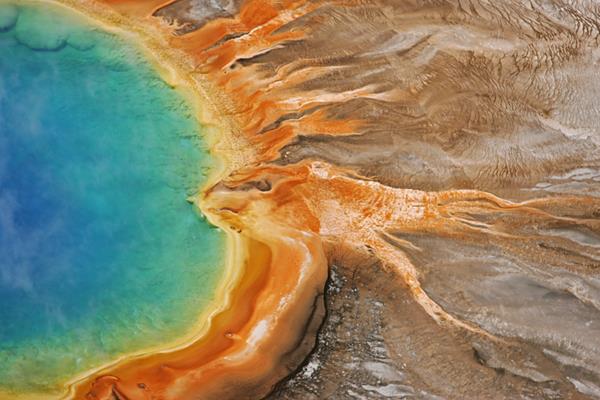
On March 1, 1872, Yellowstone became the first national park for all to enjoy the unique hydrothermal wonders. Today, millions of people come here each year to camp, hike, and enjoy the majesty of the park.
Directions
Yellowstone National Park covers nearly 3,500 square miles in the northwest corner of Wyoming (3% of the park is in Montana and 1% is in Idaho). Yellowstone has five entrance stations, and several are closed to regular vehicles during winter. It takes many hours to drive between these entrances, so be sure to check the status of roads at the entrance you intend to use while planning your trip and before you arrive.
Weather Info
Yellowstone's weather can vary quite a bit, even in a single day. In the summer, daytime highs can exceed 70°F (21°C), only to drop 20 or more degrees when a thunderstorm rolls through. It can snow during any month of the year, and winter lows frequently drop below 0°F (-18°C), especially at night. Bring a range of clothing options, including a warm jacket and rain gear, even in the summer.
Photos
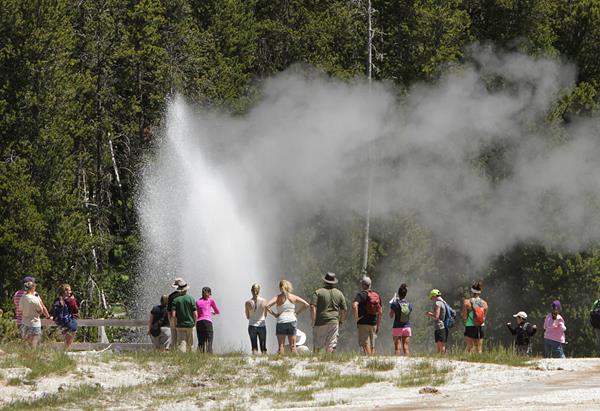
Aurum Geyser erupting
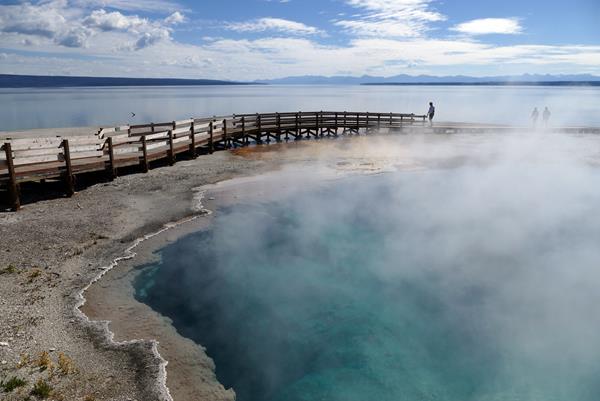
Black Pool at the West Thumb Geyser Basin
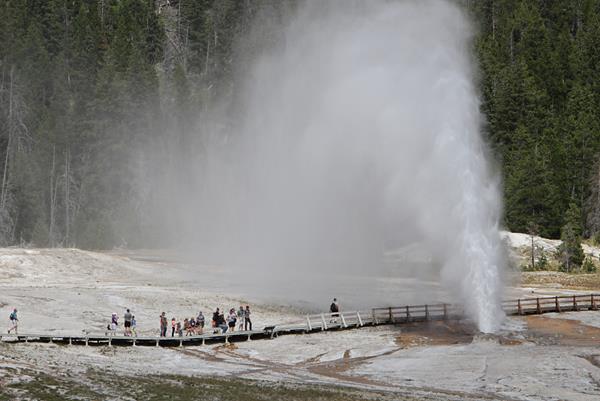
Visitors to the Upper Geyser Basin watch Beehive Geyser erupt.
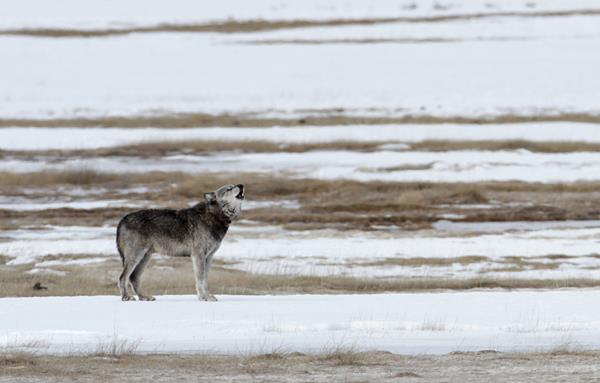
Alpha male of the Canyon wolf pack
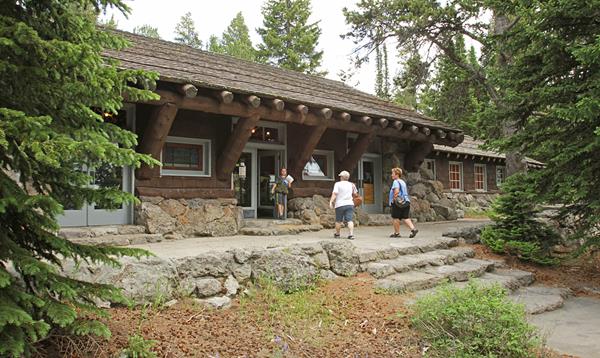
The stone-and-log architecture of Fishing Bridge Trailside Museum became a prototype for park buildings all around the country
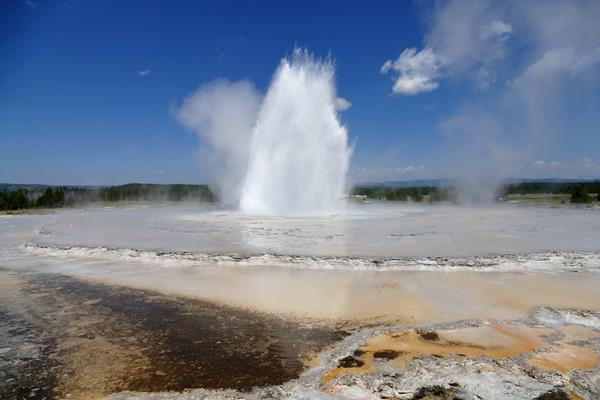
Great Fountain Geyser erupts against a blue summer sky
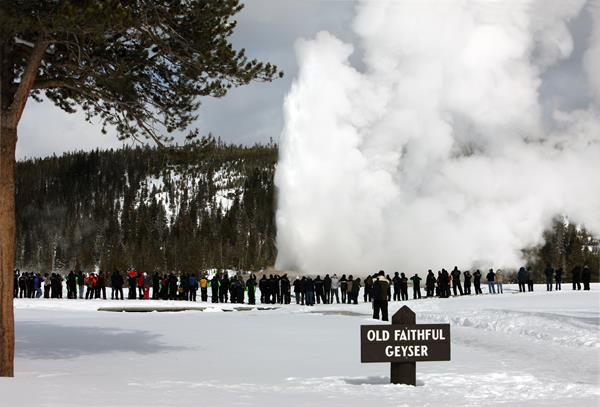
Winter is a magical time to watch Old Faithful Geyser erupt
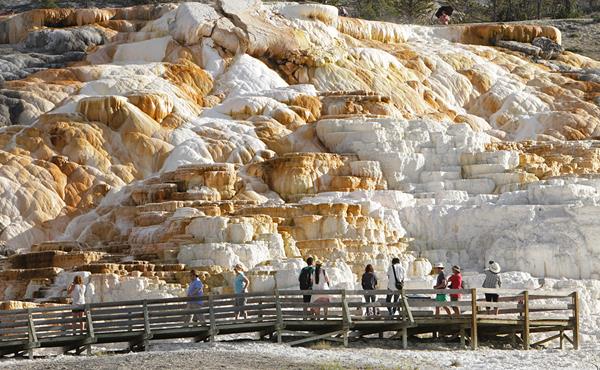
The vibrant colors of Palette Springs are formed by thermophiles—heat-loving organisms
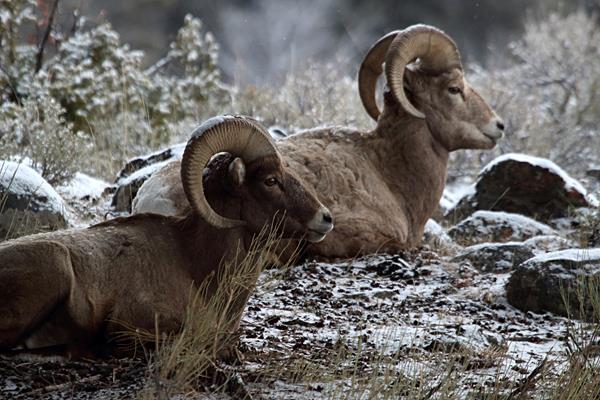
Two bighorn rams rest and chew their cud
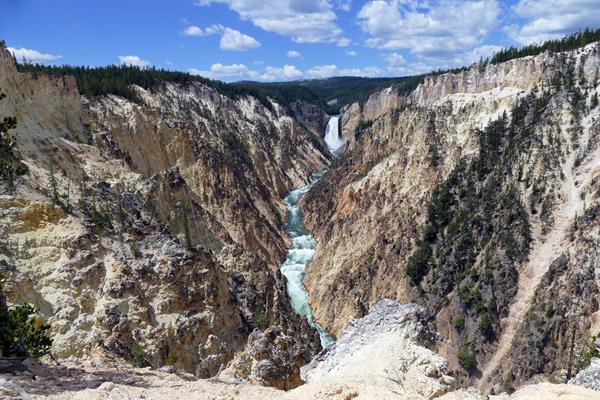
Lower Falls from Artist Point
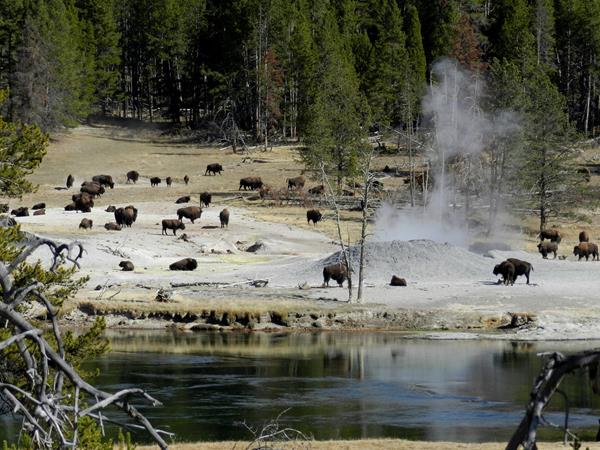
Bison near Mud Volcano
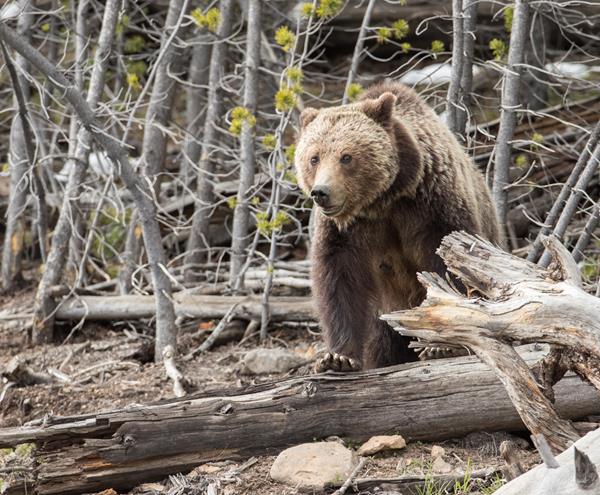
Grizzly bear in the woods
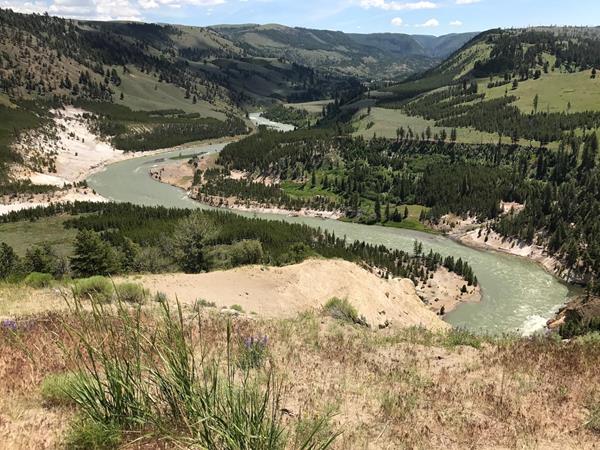
The Yellowstone River near Tower Fall