 US National Parks Map Directory
Yosemite
Yosemite, CA
Go Skiing at Badger Pass
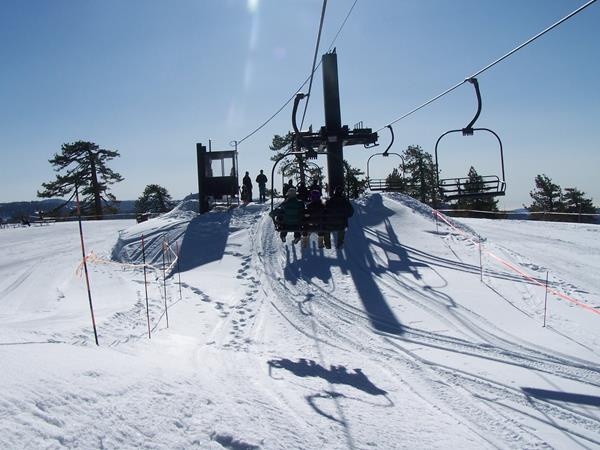
The Badger Pass Ski Area is open from mid-December through March (weather and conditions permitting). You can downhill ski, cross-country ski, go tubing, or snowshoeing all from this historic winter resort.
Become a Yosemite Junior Ranger
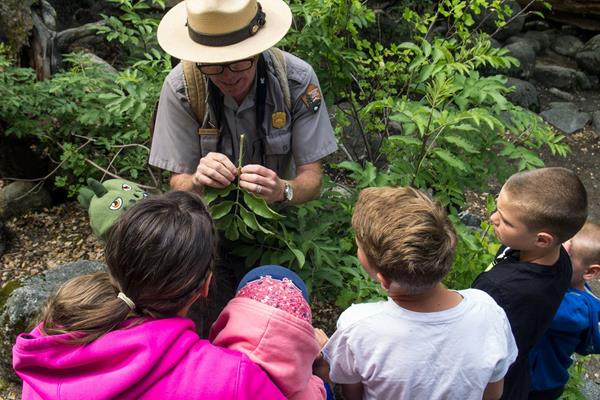
Kids can become a Yosemite Junior Ranger by taking a self-guided handbook with them as they travel around the park and complete the activities that are the best fit for them. The Yosemite Junior Ranger handbook is available for free at visitor centers. When you are done, share your booklet with a park ranger at any Yosemite visitor center during operating hours to receive your badge.
Ride a bike in Yosemite Valley
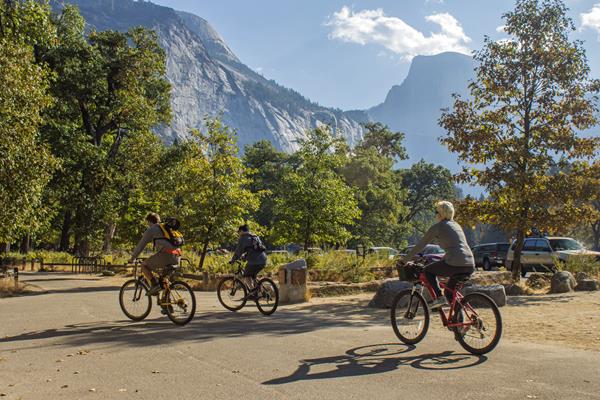
Cycling is a great way to experience the park and allows you to cover more ground during your time here. You can rent a bike, bring your own, or borrow one through the bike share program (2-hour limit). Hand-crank and tandem bicycles are also available for rent. Over 12 miles of paved bike paths are available in Yosemite Valley (speed limit is 15 mph). In addition, bicyclists can ride on regular roads (if they obey traffic laws).
Rock Climbing in Yosemite
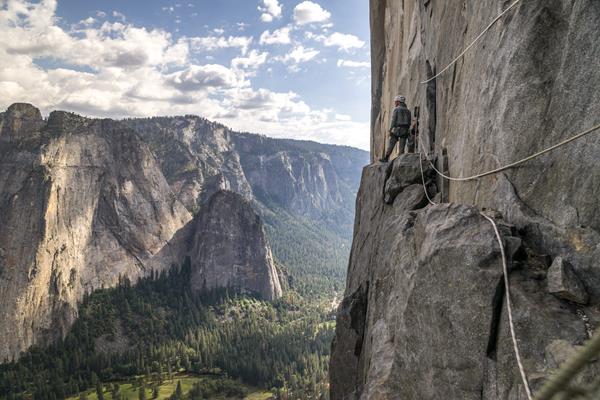
Yosemite is one of the world's greatest climbing areas. Climbers here can enjoy an endless variety of challenges--from the sustained crack climbs of the Merced River Canyon to pinching crystals on sun-drenched Tuolumne Meadows domes to multi-day aid climbs on the big walls of the Valley. Yosemite is not just a climber's playground, however: its walls and crags are an integral part of a larger ecosystem, protected as Wilderness.
Winter Driving and Tire Chains in Yosemite
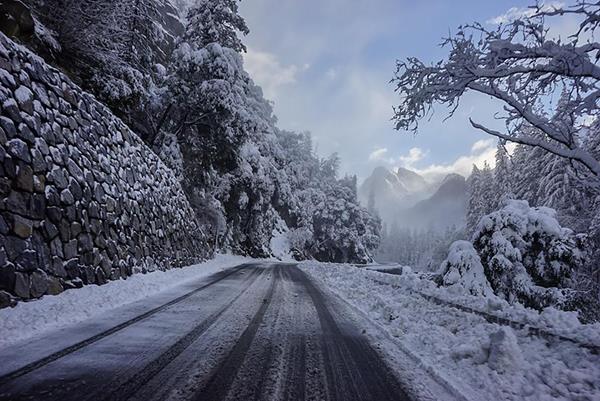
Snowy or icy road conditions are common in the mountains of California, including Yosemite, from fall through spring. When these conditions exist, federal regulations (in Yosemite) and state law (outside Yosemite) require that you use chains or cables in order to reduce the chances of accidents. Chain requirements are strictly enforced.
Visit the Yosemite Museum
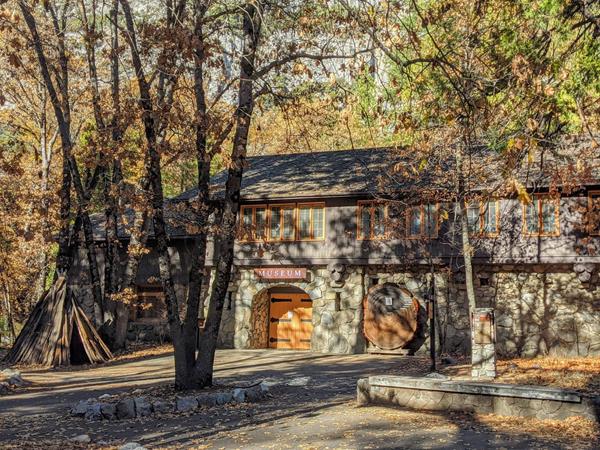
Open year-round, the Yosemite Museum has displays that interpret the cultural history of Yosemite's native Miwok and Paiute people from 1850 to the present, demonstrations of stone tool making, basket-weaving, beadwork, and traditional games. In front of the museum is a cross-section of a giant sequoia tree that visitors can touch and a re-creation of an umacha, a Miwok and Paiute cedar bark house. The gallery inside the museum is open periodically with rotating exhibits.
Take a Walk to the Base of Lower Yosemite Fall
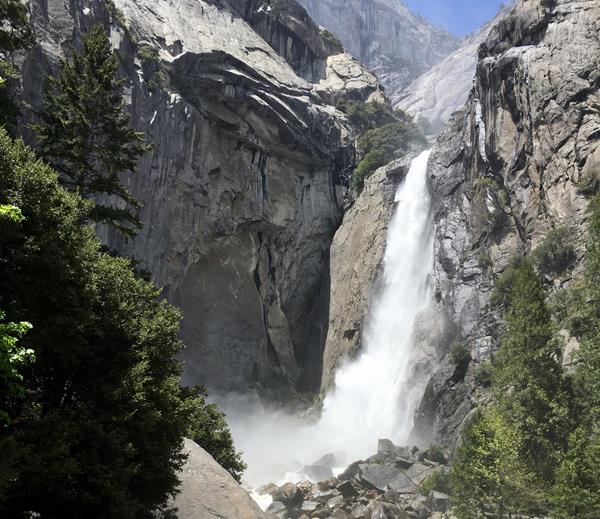
Part of North America's tallest waterfall, Lower Yosemite Fall is the final 320-foot (98-meter) drop. Deafening in spring and early summer when the waterfall peaks in volume, you can expect to get sprayed with water when standing on the footbridge near its base. This short, easy walk rewards with spectacular views of both Upper and Lower Yosemite Falls.
Walk the Cook's Meadow Loop
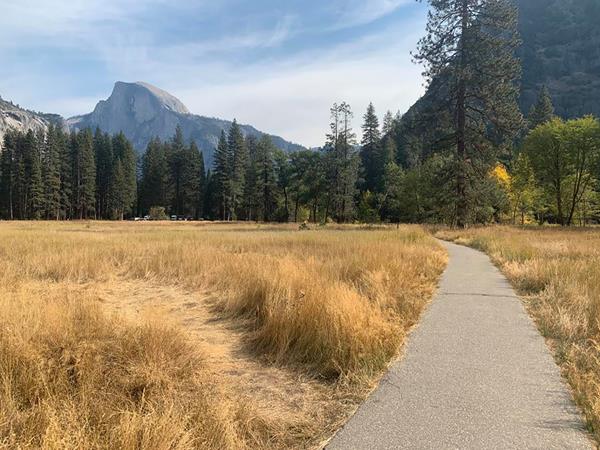
Walk through the heart of it all! Enjoy views of Yosemite Falls, Half Dome, Sentinel Rock, and Royal Arches from the center of Yosemite Valley as you saunter through this large open meadow.
Visit the Yosemite Cemetery
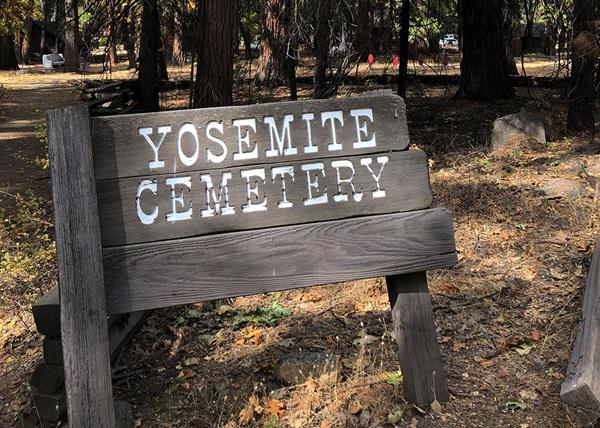
The Yosemite Cemetery is full of stories, told and untold. Some of those laid to rest here are well-known figures in the history of the park. Some spent their entire lives in Yosemite and are now almost forgotten. Others were visitors about whom very little was known, even at their time of their deaths.