 US National Parks Map Directory
Joshua Tree
Twentynine Palms, CA
About
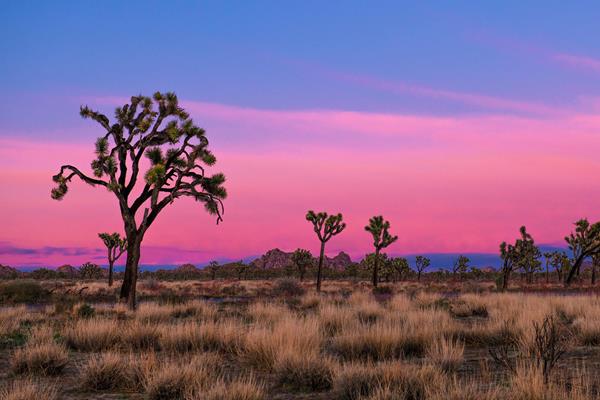
Two distinct desert ecosystems, the Mojave and the Colorado, come together in Joshua Tree National Park. A fascinating variety of plants and animals make their homes in a land sculpted by strong winds and occasional torrents of rain. Dark night skies, a rich cultural history, and surreal geologic features add to the wonder of this vast wilderness in southern California. Come explore for yourself.
Directions
From I-10, take exit 117 for CA Hwy 62 toward 29 Palms/Yucca Valley. This will allow you to access the West Entrance, the North Entrance, Black Rock, and Indian Cove. Take exit 168 off I-10 to come in at the park's South Entrance.
Weather Info
Days are typically clear with less than 25% humidity. Temperatures are most comfortable in the spring and fall, with an average highs around 85°F (29°C) and average lows around 50°F (10°C) respectively. Winter brings cooler days, around 60°F (15°C), and freezing nights. It occasionally snows at higher elevations. Summers are hot, over 100°F (38°C) during the day and not cooling much below 75°F (24°C) at night.
Photos
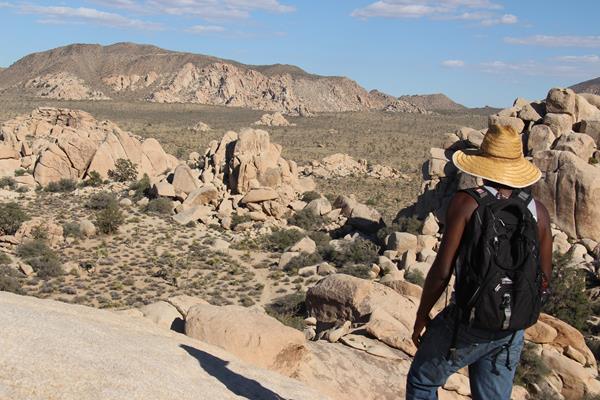
Scrambling to the top of boulders in Joshua Tree can get you a great view.
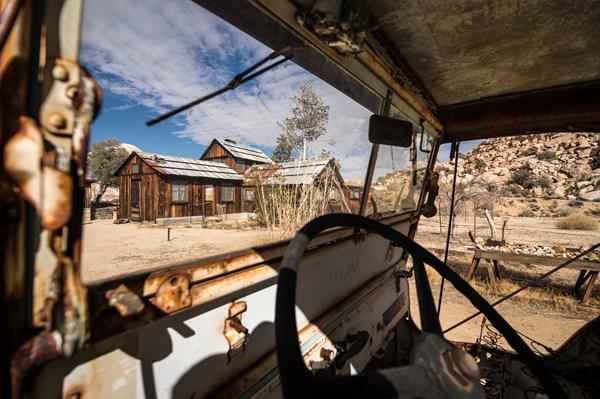
The historic Keys Ranch can be visited only on a ranger-guided tour.
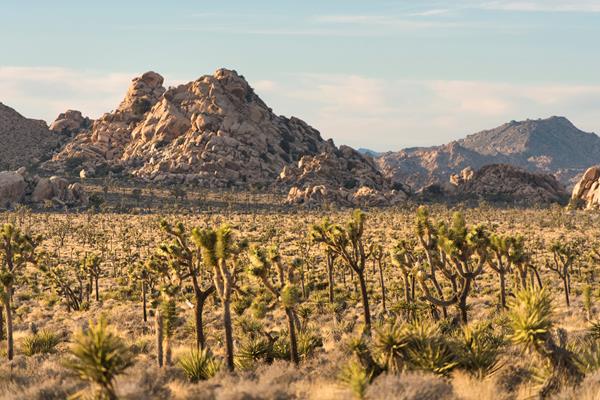
Take in views of the park's iconic Joshua trees and rock outcrops in Lost Horse Valley.
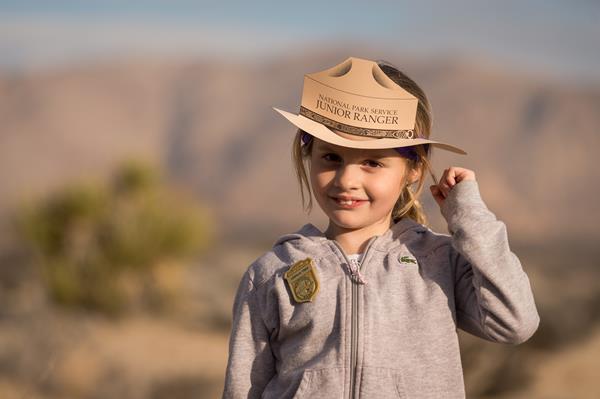
Kids of all ages can take part in Joshua Tree National Park's Junior Ranger program.
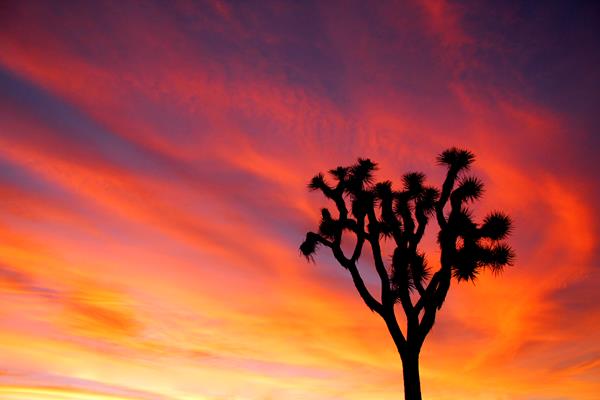
The wide-open desert of Joshua Tree National Park makes for stunning sunsets.
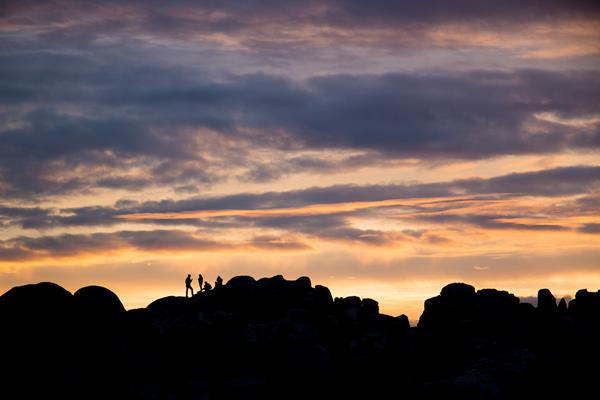
Jumbo Rocks Campground is a fun place to explore the park's bouldered landscape.
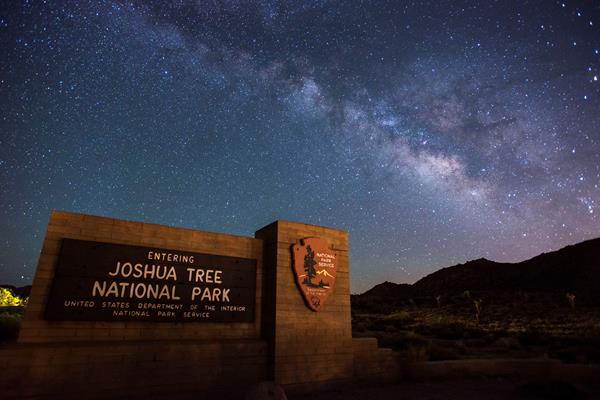
Enjoy some of the darkest night skies in Southern California.