 US National Parks Map Directory
Hawaii Volcanoes
Hawaii National Park, HI
About
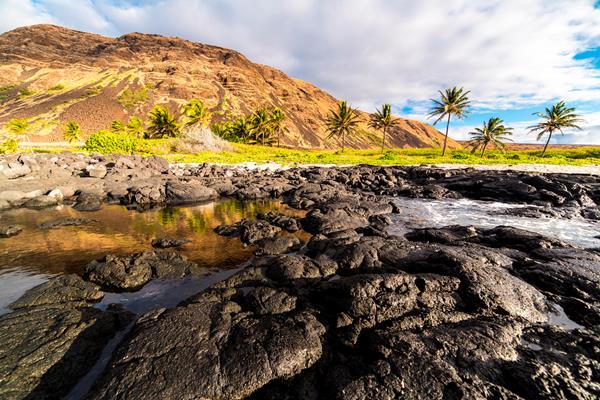
Hawai‘i Volcanoes National Park protects some of the most unique geological, biological, and cherished cultural landscapes in the world. Extending from sea level to 13,680 feet, the park encompasses the summits of two of the world's most active volcanoes - Kīlauea and Mauna Loa - and is a designated International Biosphere Reserve and UNESCO World Heritage Site.
Directions
Hawai‘i Volcanoes National Park is located on the island of Hawai‘i. From Hilo: 30 miles southwest on Highway 11 (a 45 minute drive); from Kailua-Kona: 96 miles southeast on Highway 11 (2 to 2 1/2 hour drive), or 125 miles through Waimea and Hilo via highways 19 and 11 (2 1/2 to 3 hours).
Weather Info
The weather at Kīlauea's summit (4000' elevation) varies daily and may be rainy and chilly any time of the year. Temperature varies by elevation. At the summit of the volcano, temperatures may be 12 to 15 degrees cooler than at sea level. The coastal plain at the end of Chain of Craters Road, where lava crossed the road in 2003, is often hot, dry, and windy with the possibility of passing showers.
Photos
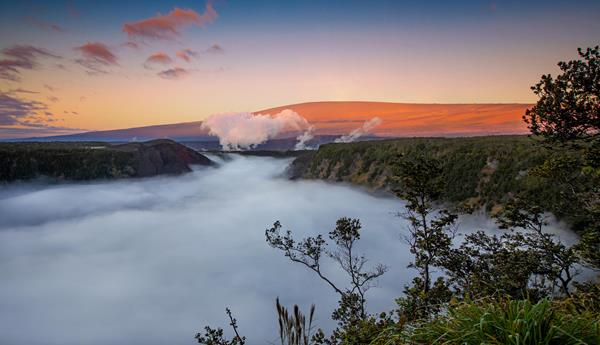
Sunrise at Kīlauea Iki
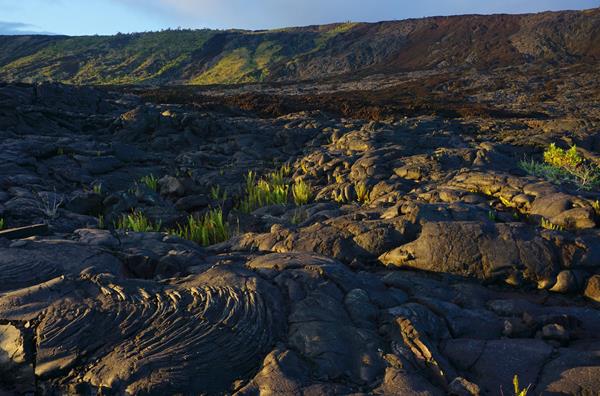
Lava flows from the Mauna Ulu eruption drape the Hōlei Pali
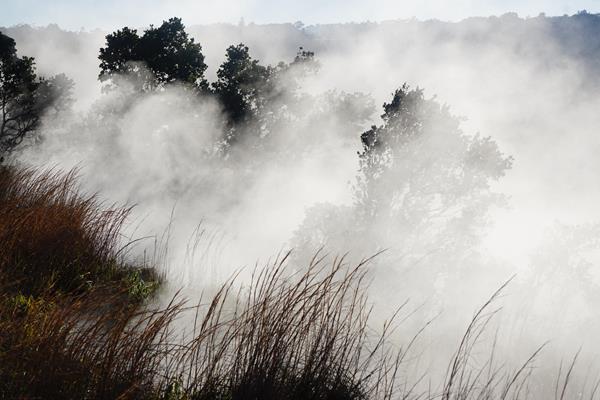
Wahinekapu (Steaming Bluff)
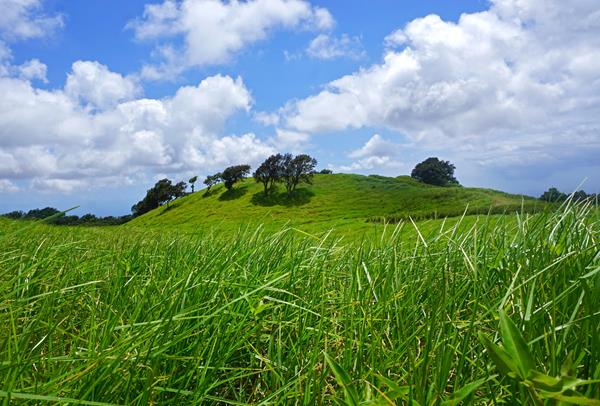
The Kahuku Unit of Hawaiʻi Volcanoes National Park once was one of the largest cattle ranches in Hawaiʻi
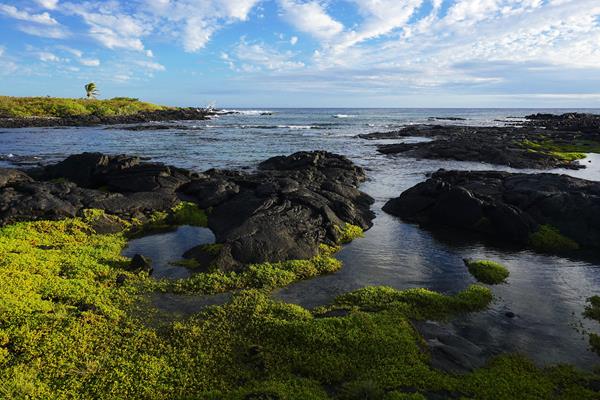
Tide pools along the Puna Coast
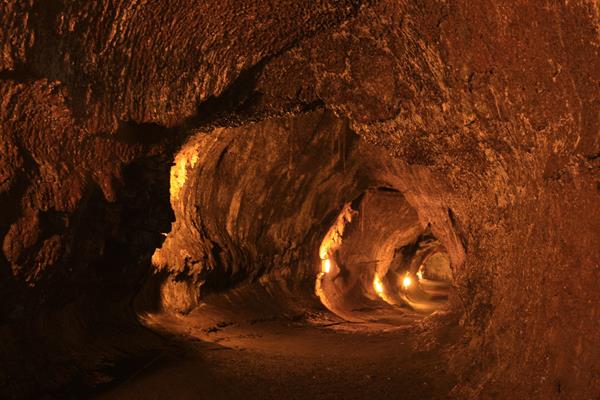
Nāhuku (Thurston Lava Tube)
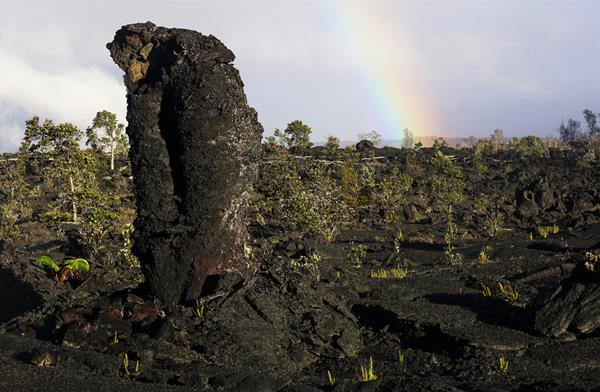
Lava trees memorialize trees that once stood in the path of encroaching lava
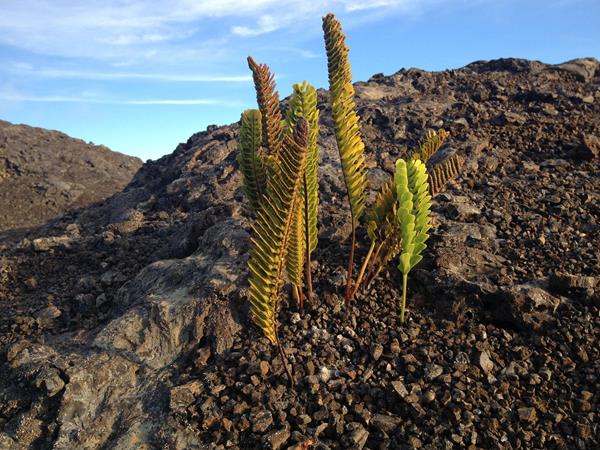
About 200 species of ferns can be found across the Hawaiian Islands. Sixty-five percent of these species are considered endemic, found nowhere else in the world.
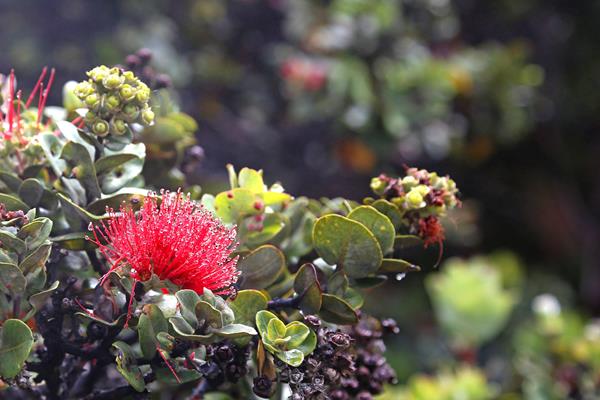
The red blossoms of the ʻōhiʻa are a Hawaiian cultural icon
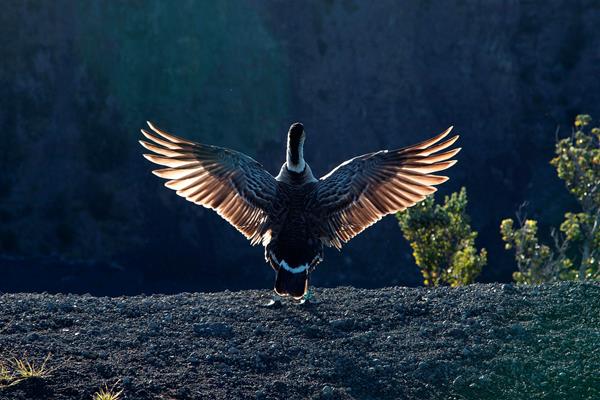
The threatened nēnē is the official state bird of Hawaiʻi
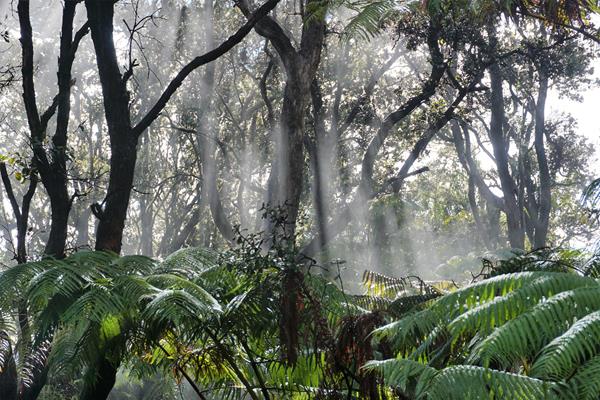
Lush rainforest surrounds Crater Rim Trail near the Halemaʻumaʻu Trail
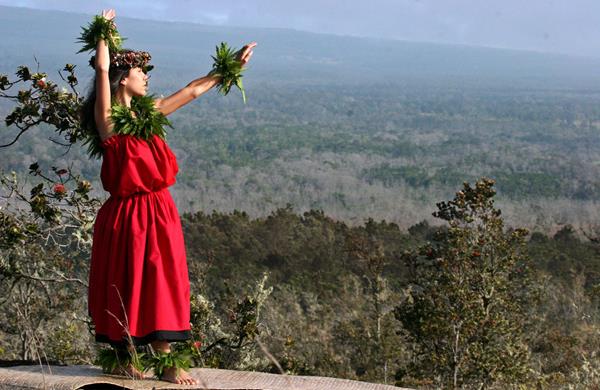
Kīlauea is home to important and sacred cultural sites stretching back centuries.
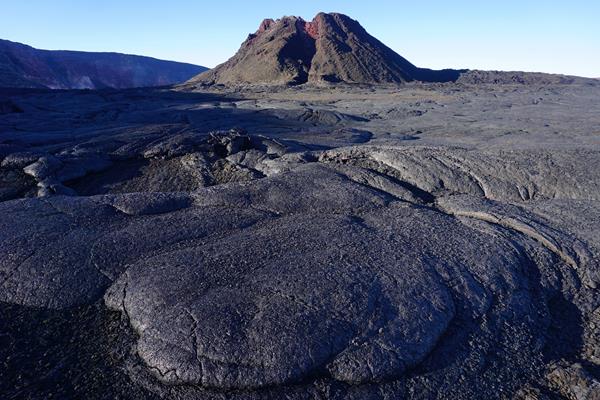
Mauna Loa, the largest active volcano on the planet, stands more than 13,000 feet above sea level
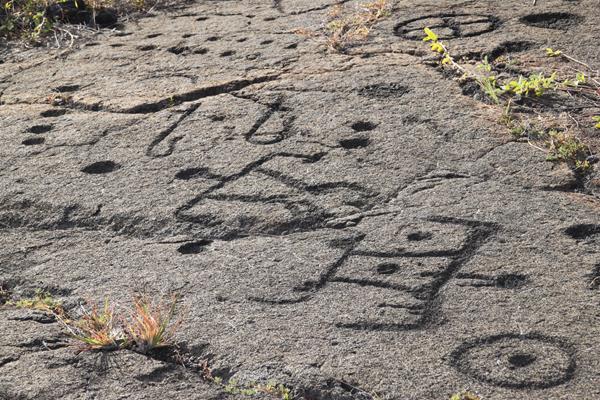
Puʻu Loa features the largest group of petroglyphs in Hawaiʻi.
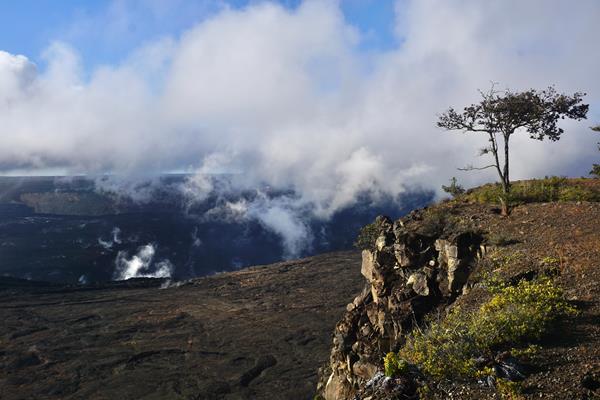
Halemaʻumaʻu from along Crater Rim Trail