 US National Parks Map Directory
Death Valley
Death Valley, CA
About
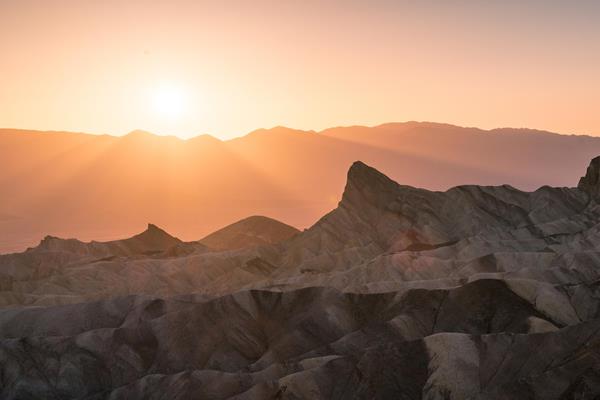
In this below-sea-level basin, steady drought and record summer heat make Death Valley a land of extremes. Yet, each extreme has a striking contrast. Towering peaks are frosted with winter snow. Rare rainstorms bring vast fields of wildflowers. Lush oases harbor tiny fish and refuge for wildlife and humans. Despite its morbid name, a great diversity of life thrives in Death Valley.
Directions
There are multiple entrances to the park. Click below to learn the best ways to travel to Death Valley.
Weather Info
SPRING is the most popular time to visit Death Valley. Warm and sunny days with the possibility of spring wildflowers is a big attraction. SUMMER starts early in Death Valley. By May the valley can be scorching hot. AUTUMN arrives in late October, with warm but pleasant temperatures and generally clear skies. WINTER has cool days, chilly nights and rarely, rainstorms. With snow capping the high peaks and low angled winter light, this season is especially beautiful for exploring the valley.
Photos
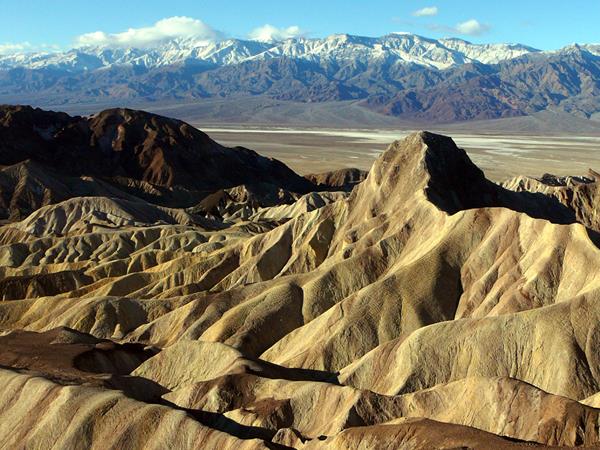
Zabriskie Point is a popular place to view sunrise over the badlands.
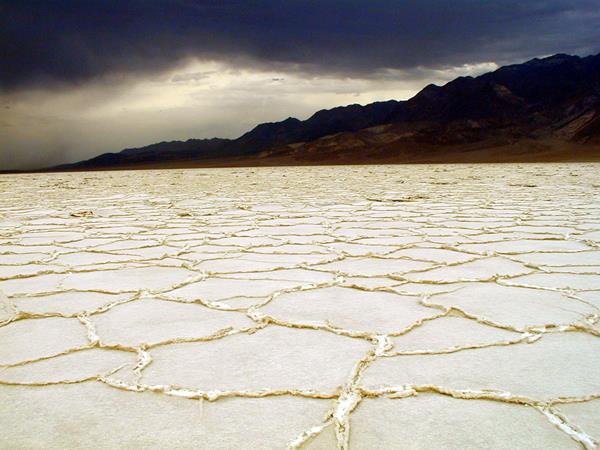
Badwater Basin is the lowest point in North America at -282 feet.
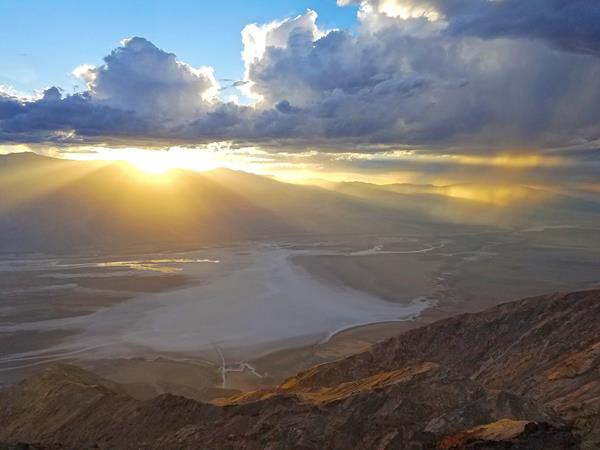
A mile above the salt flats in the valley below, Dantes View provides breathtaking vistas.

Higher elevations provide a respite from the heat in this alpine ecosystem.
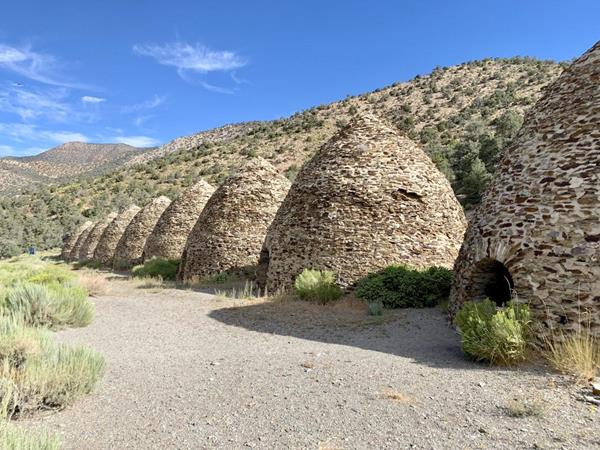
Nearly a century and a half old, these are some of the best preserved kilns in the western U.S.

About once a decade, rains at the right times can lead to a rare superbloom!

Summers are infamously hot, as for 6 months of the year temperatures above 120 degrees are regularly recorded.

There are numerous canyons to explore across this vast park.