 US National Parks Map Directory
Bryce Canyon
Bryce Canyon, UT
See the Bryce Amphitheater
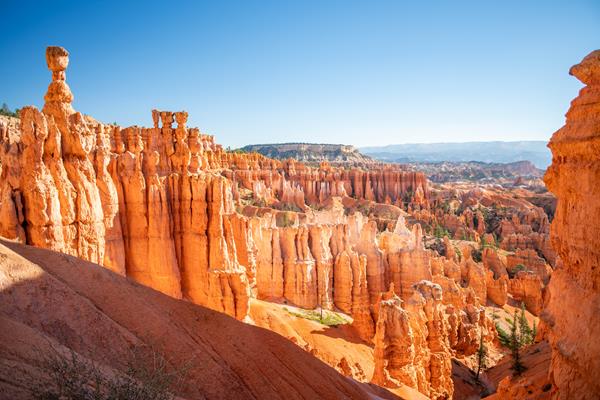
By far the most iconic section of the park, the Bryce Amphitheater is home to the greatest concentration of irregular rock spires (called "hoodoos") found anywhere on Earth. Viewpoints along the first 3 miles (4.8 km) of the main road provide access to views overlooking this area.
View Wildlife
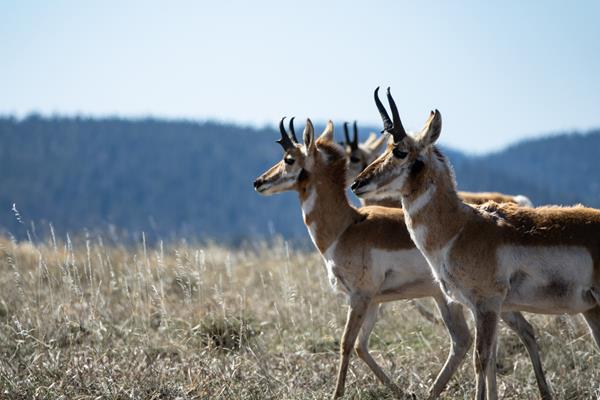
The canyons and plateau of Bryce Canyon National Park are home to many animals. Park boundaries mean little to the migratory hummingbirds, nesting Peregrine Falcon, Rocky Mountain Elk and Pronghorn which daily cross through the forested plateau and amphitheaters. The search for food and water leads them to the best place to find sustenance and shelter. Many animals share habitats. Ebb and flow of populations is interdependent on all the members of the wildlife community.
Night Sky Telescope Program
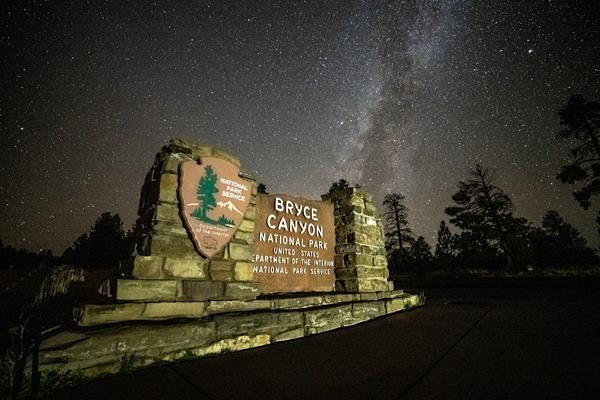
Typically offered on Fridays and Saturdays from Memorial Day through Labor Day starting at 9:30 p.m. at the Visitor Center. Reservations are required to attend the program and can be made at the Visitor Center on the day of the event starting at 8:15 a.m. Experience the dark sky of Bryce Canyon with our telescopes! Rangers will guide you on your magical adventure through the celestial ceiling of our amphitheaters of hoodoos.
Full Moon Hike
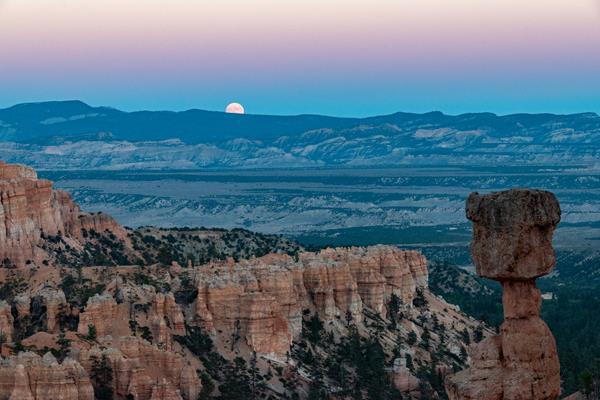
Typically offered year-round at sunset as weather permits. Tickets are required and can be obtained via a same-day in-person lottery that is held at the Visitor Center at 4:00 p.m. You are cordially invited to celebrate Bryce Canyon's thrilling Night-Life! Check your calendar and join us for a uniquely "Bryce" experience. During full moons, when the mix of shadows and moonlight cause the hoodoos to take on spooky personalities, we offer 1-2 mile-long moonlit hikes.
Sunset Point to Sunrise Point Hike
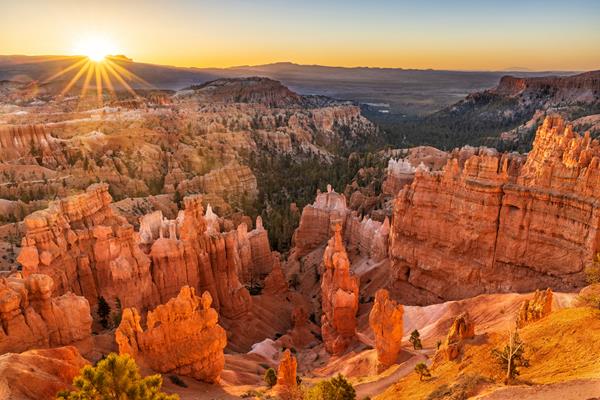
The Rim Trail hike meanders along the rim of the iconic Bryce Canyon Amphitheater, giving you views of the hoodoos below. This portion of the Rim Trail, from Sunset Point to Sunrise Point, is the only paved section of this trail and is the easiest walk in the park. Pets are allowed on this trail but must remain on paved surfaces.
Plan a Picnic
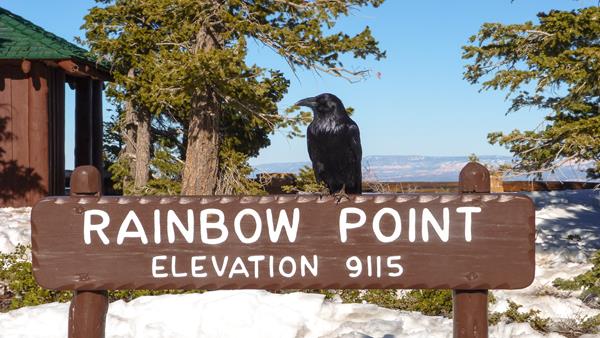
Looking for a good place to enjoy a picnic? Here is a list of Bryce Canyon picnic areas.
Get a Passport Stamp
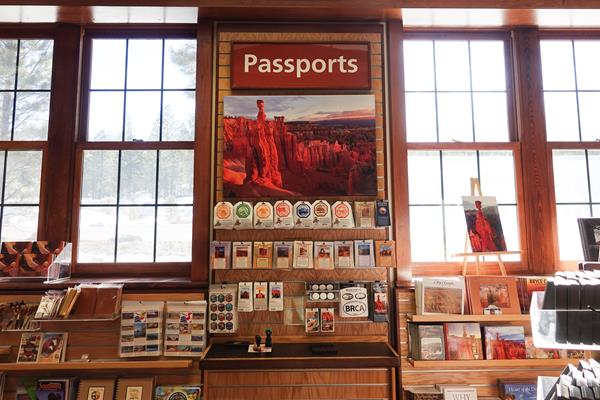
Are you a "Passport to Your National Parks" cancellation collector? Bryce Canyon has a cancellation stamp to commemorate your visit in your passport book.
Go Cross-Country Skiing
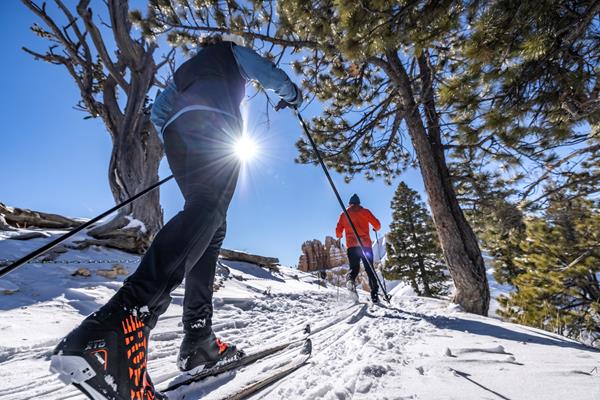
A great way to explore Bryce Canyon in winter is on cross-country skis. Though it is illegal to ski off of the rim into the canyon, you can enjoy a variety of routes above the rim. These include sections of the Rim Trail along the edge of the Main Amphitheater, the Bristlecone Loop Trail; Paria Ski Loop; and the unplowed Paria View and Fairyland Point roads.
Bryce Amphitheater Traverse
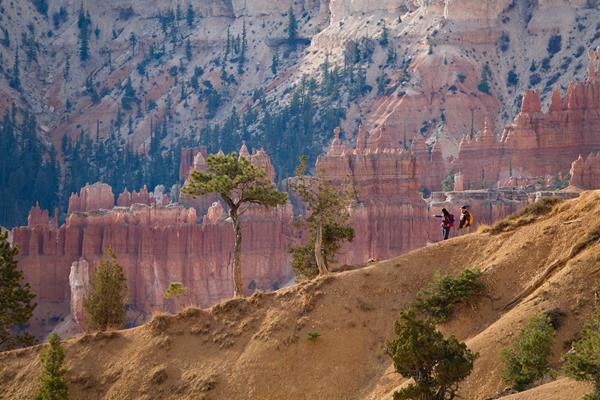
The Bryce Amphitheater Traverse is a one-way hike combining the Peekaboo Loop with the Queen's Garden trail. Hikers descend from Bryce Point, turning left (clockwise) on Peekaboo Loop and then connecting to the Queen's Garden trail to ascend to Sunrise Point.
The Rim Trail
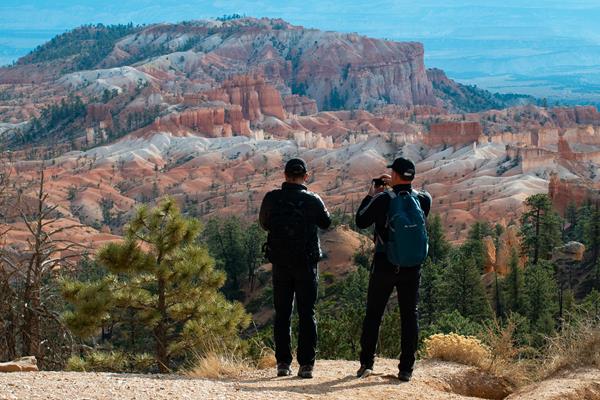
The Rim Trail stretches from its beginning in the south at Bryce Point 5.5 miles (8.9 km) north to Fairyland Point. As it follows the edge of the Bryce Amphitheater area of the park, it connects to the park's most popular viewpoints: Inspiration Point, Sunset Point, and Sunrise Point. This relatively easy hike (depending on how much of it you do) offers spectacular views of the park's most popular area.
Ride Your Bike in the Park
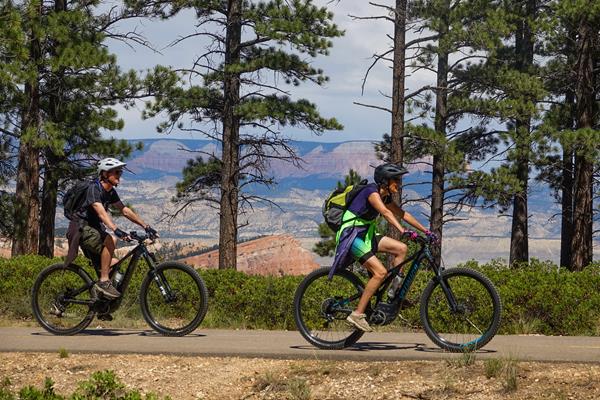
The best way to cycle within the first three miles of the park is by using the Shared-use path. It provides 5 miles (8 km) of vehicle-free two-lane path connecting the shuttle station north of the park with the Visitor Center, Sunrise Point, Sunset Point, and Inspiration Point. Bicyclists looking for a longer ride can travel along the main park road to the southern end of the park.
Riggs Spring Loop
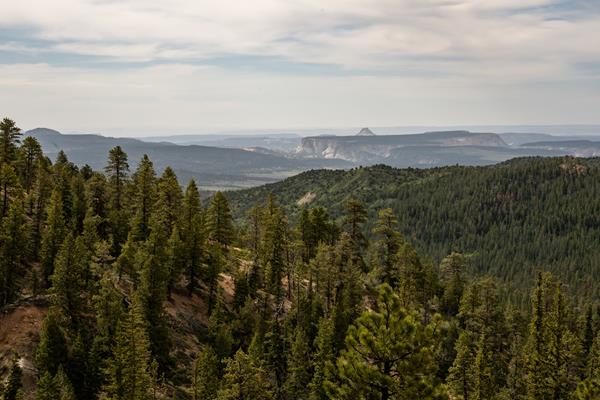
The Riggs Spring Loop is a backcountry trail that begins and ends at Yovimpa Point. This trail travels through spruce, fir, and bristlecone forests offering beautiful views of distant cliffs. The western section of the trail is steeper and more heavily forested. Permits are not required to hike this trail, but all overnight stays require a permit.
Stargazing at Bryce Canyon
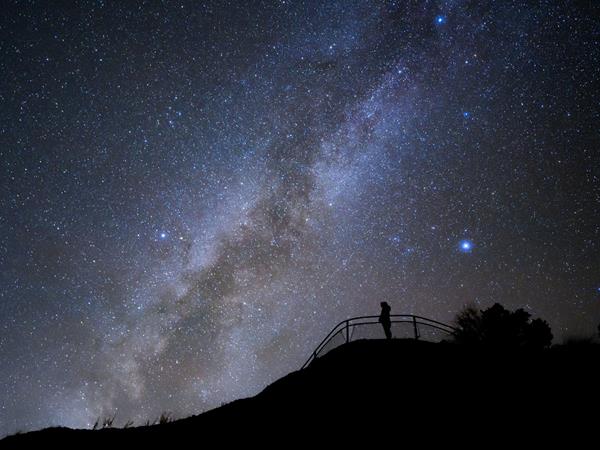
Bryce Canyon's high elevation, clean air, and remote location creates some of the darkest skies in the country. In fact, in 2019 Bryce Canyon officially gained International Dark Sky status. During a new Moon on a clear weather night, you can see thousands of stars and the spectacular band of the Milky Way Galaxy shooting across the sky. We take pride in our ability to protect the night skies for the present and future generations.
Snowshoe Hikes
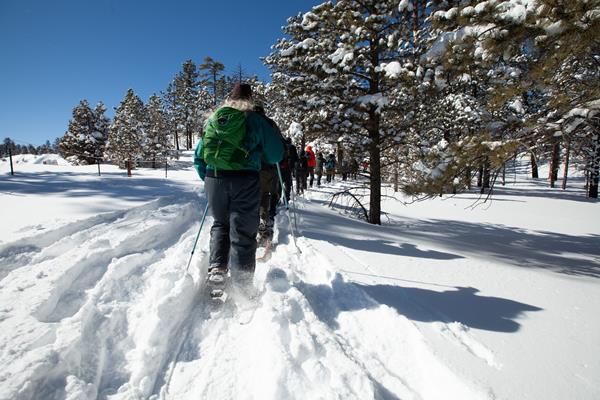
Here at 8,000 feet (2,438 m) the scenery changes dramatically in the colder months. Come experience this magical season by taking a snowshoe-hike! Snowshoeing is allowed throughout the park on all trails so you can head out on your own or join a ranger-led snowshoe hike. These hikes are offered in winter as weather and snow conditions permit and are designed for all levels of experience, from beginner to expert.
Navajo/Peekaboo Combination Loop
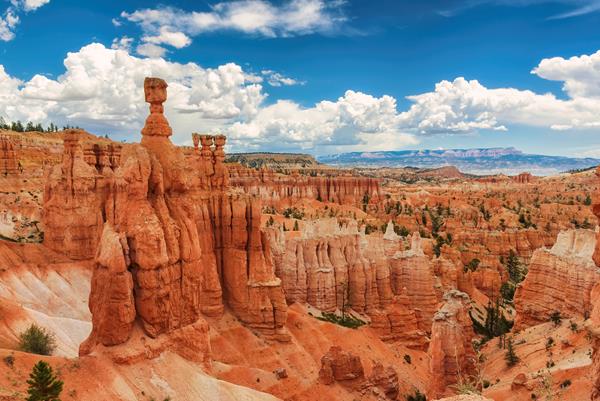
Combine two of our most iconic trails, the Navajo and Peekaboo Loop trails, into a a mini Figure-8 combination loop. Start the hike at Sunset Point, descend down either side of the Navajo Loop (Two Bridges in winter), connect to the Peekaboo Loop (we recommend hiking it in a clockwise direction), and ascend Navajo back to Sunset Point.
Navajo Loop Trail
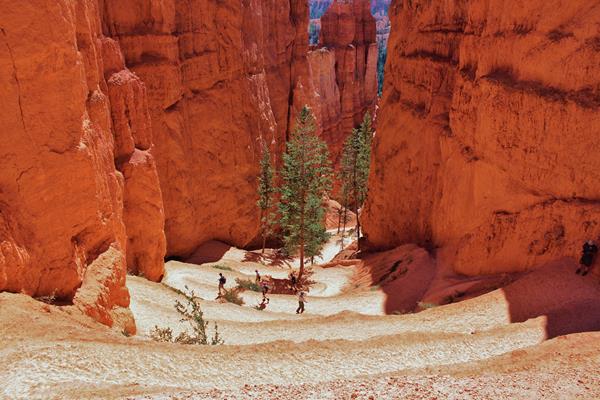
The iconic Navajo Loop Trail begins and ends at Sunset Point. Its switchbacks wind between narrow walls of colorful limestone with views of towering Douglas-fir trees and the park's most famous hoodoo: Thor's hammer. The loop has two sides: Two Bridges and Wall Street. The Two Bridges side is open year-round, however, the Wall Street side is closed during the winter months. During this time Two-Bridges can be hiked as an out-and-back trail or combined with other trails.
Tower Bridge
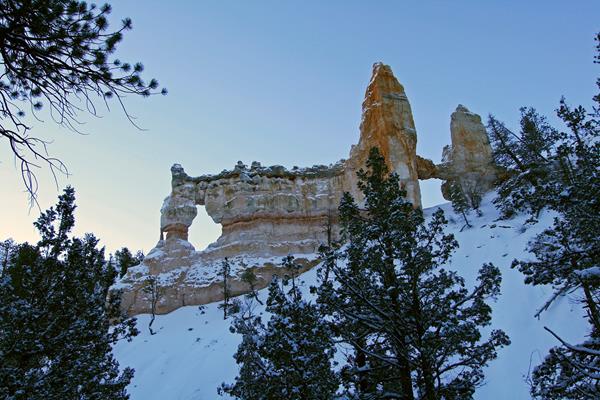
The Tower Bridge hike consists of the southern portion of the Fairyland Loop trail. This is an out-and-back trail that descends to a shady 1/4-mile spur trail leading to the Tower Bridge hoodoo. From there, hikers can return the way they came or continue to hike the entirety of the Fairyland Loop Trail.
Fairyland Loop
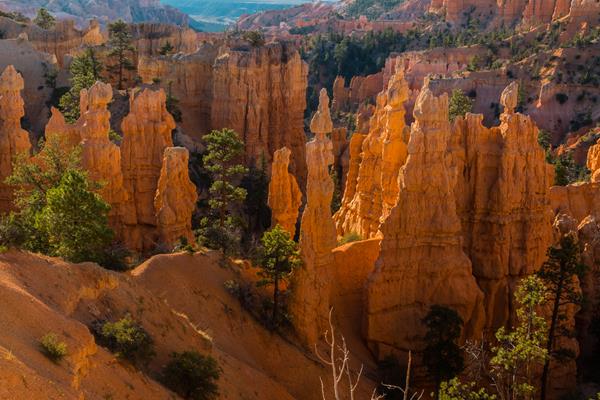
The Fairyland Loop is a quiet 8 mile hike that combines hiking along the plateau rim near Boat Mesa with a hike in the canyon with long views of the Bryce Amphitheater surrounded by unique hoodoos. You can start this hike at Fairyland Point or on the rim trail north of Sunrise Point at the Tower Bridge trailhead. We recommend hiking in a counter-clockwise direction. There is no shuttle pick-up at Fairyland Point, so you will need to hike to your starting point.
Rim Walk with a Ranger
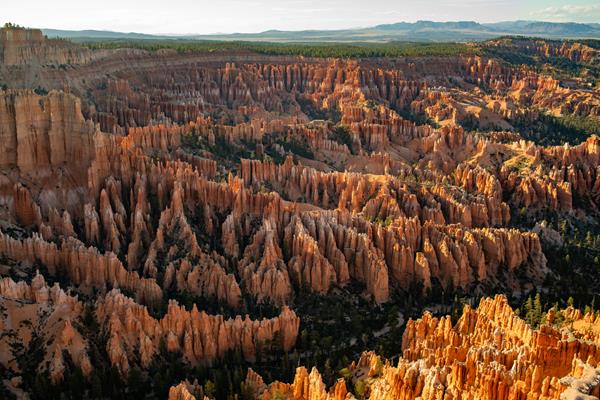
Typically offered Memorial Day through Labor Day at Sunset Point at 2:00 p.m. Join a Ranger and experience the enchantment of the hoodoos, the history of the people who have passed through the amphitheaters for thousands of years, and the many ways the animals and plants have adapted to the unique ecosystems of Bryce Canyon National Park.
Hoodoo Geology Talk
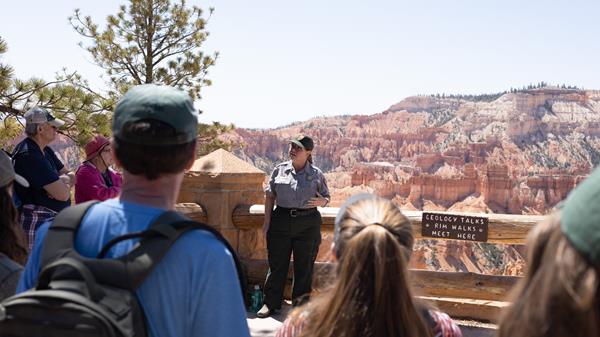
Typically offered year-round at Sunset Point at 11 a.m. Geologists have spent years studying the unique geologic story of Bryce Canyon and its amphitheaters of hoodoos. Join the Ranger along the rim at Sunset Point to explore the evolution of the hoodoos and the groups of people who have passed through this magical terrain.
Go For a Winter Hike
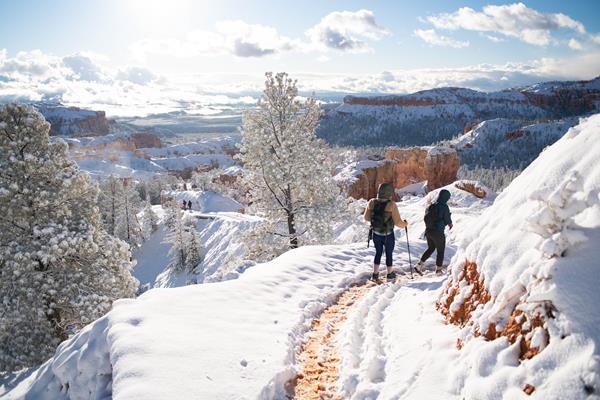
Many hikes are available to visitors during the winter season, in both the front and backcountry, but might require some additional equipment. For much of the winter the most popular trails are so icy that steep sections cannot be safely traversed without some sort of additional traction device for your hiking shoes or boots.
Bristlecone Loop Trail
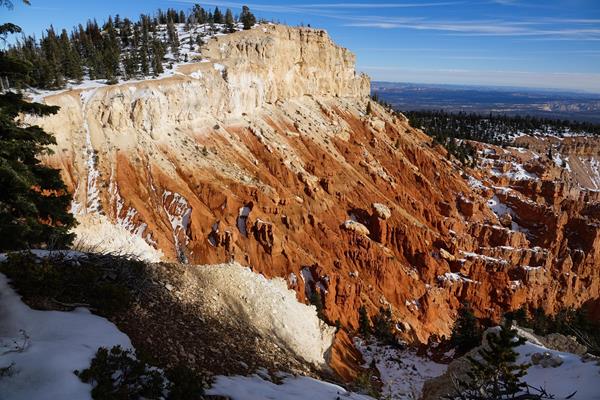
The Bristlecone Loop, an easy 1 mile hike, meanders through the forest atop this highest portion of the park, reaching elevations over 9,100 feet (2778 m). Here you will pass by bristlecone pines up to 1,800-years-old and experience vistas reaching into the Four Corners area.
Under-the-Rim Trail
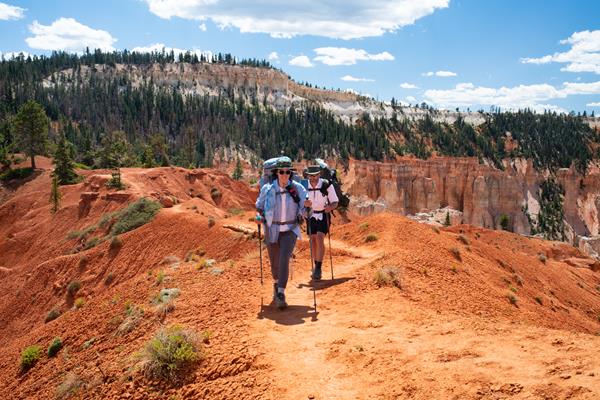
Bryce Canyon's backcountry trails offer forests and meadows, stunning views of distant cliffs, and solitude. However, hoodoos are best experienced along our frontcountry trails in the main amphitheater area. The Under-the-Rim trail connects Rainbow Point in the south to Bryce Point in the north. Permits are not required to hike this trail, but all overnight stays require a permit.
Swamp Canyon Loop
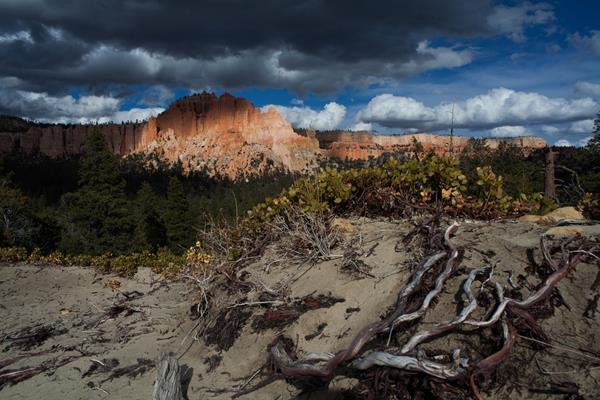
Swamp Canyon appears relatively small and sheltered from the overlook, allowing the viewer to develop a more intimate connection with the landscape than some of the grander viewpoints in the park. The Swamp Canyon Loop, which starts at the viewpoint, is more rugged than the Bryce Amphitheater trails, taking hikers into a more forested backcountry hike. There is less signage on this hike and hikers are encouraged to carry a map.
Peekaboo Loop
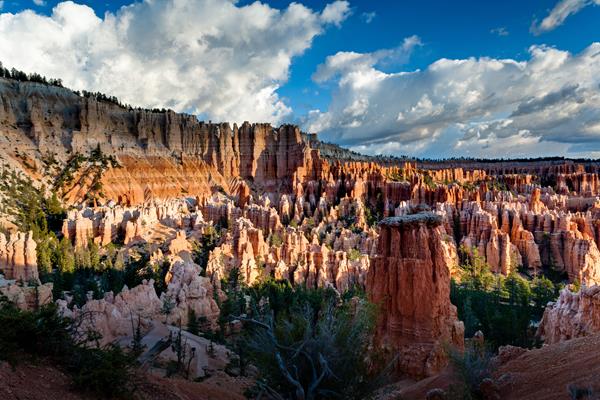
The Peekaboo Loop descends 670 feet (204 meters) from Bryce Point to this hoodoo-filled loop trail before ascending back up to Bryce Point. In summer months, hikers will encounter horses/mules on this trail. We recommend hiking this trail in a clockwise direction.
Hat Shop
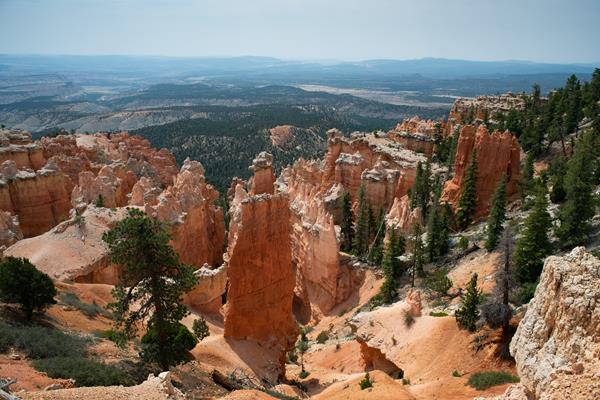
The Hat Shop trail descends from Bryce Point into the backcountry using the Under-the-Rim trail, offering views of the colorful cliffs of the Grand Staircase. This strenuous out-and-back hike leads down 1,380 feet (421 meters) over two-miles to a cluster of balanced-rock hoodoos before hikers turn around to return to Bryce Point. These narrow, orange pinnacles wear "hats" of large gray boulders, giving them a distinct appearance.
Figure-8 Combination
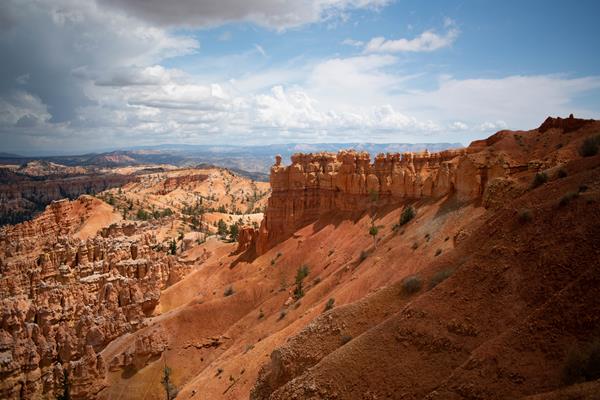
The Figure-8 Combination combines three amphitheater hikes, Queen's Garden, Navajo Loop, and the Peekaboo Loop, into one ultimate hike! We recommend a clockwise direction descending Queen's Garden, connecting to the Peekaboo Loop (we recommend hiking it in a clockwise direction), and ascending either side of the Navajo Loop (Two Bridges in winter). From there you can complete the trail by hiking back to Sunrise Point along the Rim Trail.
Queen's/Navajo Combination Loop
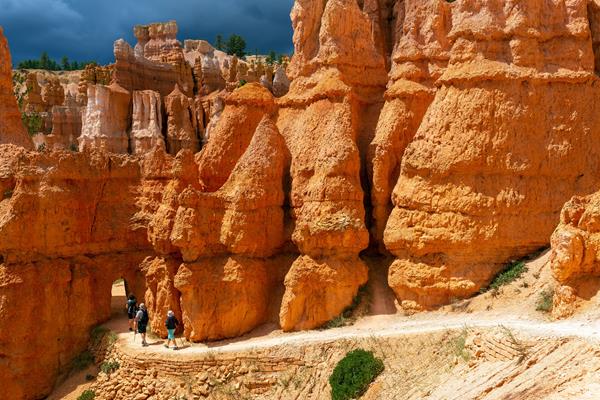
Our most popular hike in the park and the one we most recommend to first-time visitors. The Queen's/Navajo Combination Loop combines the open views and unique hoodoos of the Queen's Garden Trail with the iconic switchbacks and towering canyon walls of the Navajo Loop Trail. Descend Queen's Garden at Sunrise Point, ascend the Navajo Loop to Sunset Point, and then complete the loop back to Sunrise Point via the Rim Trail, enjoying views into the Bryce Canyon Amphitheater below.
Queen's Garden Trail
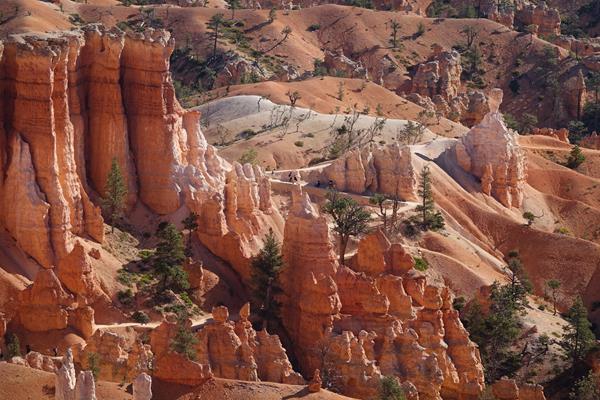
The Queen's Garden Trail is the least difficult of the trails descending from the rim into the Bryce Canyon Amphitheater. Hike this out-and-back trail to the Queen Victoria hoodoo at the end of a short spur trail and experience the splendor of hiking amongst the hoodoos. This trail is commonly combined with the Navajo Loop to create a 2.9 mile round trip trail where you can descend at Sunrise Point and ascend at Sunset Point.
Bryce Canyon Evening Program
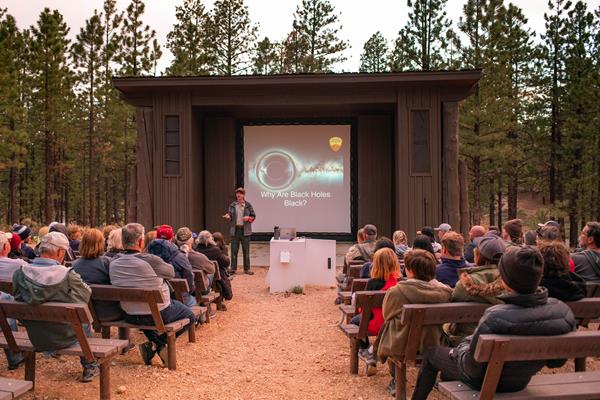
Typically offered from Memorial Day through Labor Day in the auditorium of the historic Bryce Canyon Lodge at 8:30 p.m. Evening programs offer topics that go beyond the rim! Join a Ranger to explore the compelling stories, interesting themes, and unique resources that Bryce Canyon National Park protects. This is a Ranger’s Choice program.
Go Horseback Riding
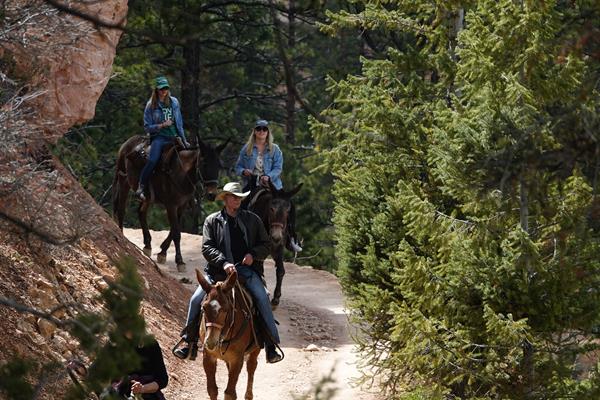
Horseback riding is a great way to slow down and experience Bryce Canyon National Park. Horses have been used to explore Bryce Canyon National Park since before it was set aside for federal protection. To support this activity, the National Park Service completed 4.5 miles of foot and horse trails in 1931 that are still in use today.
See the Night Sky
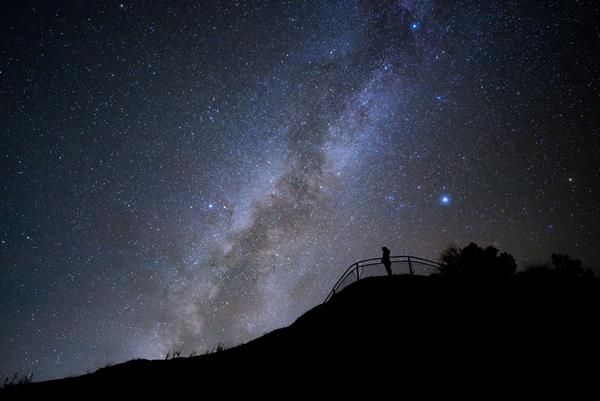
Bryce Canyon is a sanctuary for natural darkness. Bryce Canyon's skies are so dark, that in 2019 the park was designated as a Gold Tier International Dark Sky Park. Since the park is open 24 hours a day, whether you head off to a viewpoint yourself or join a night sky ranger program, we welcome you to the dark side!
Mossy Cave Trail
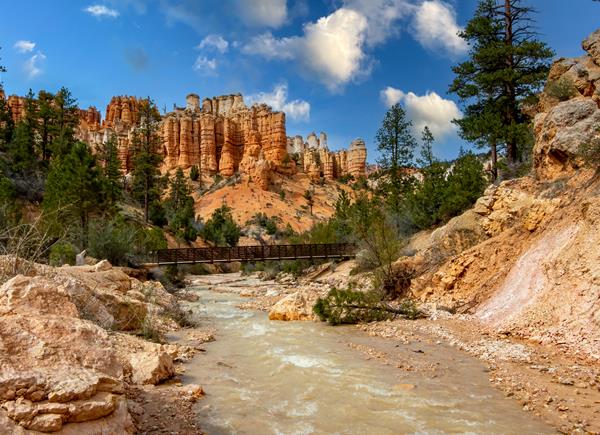
Mossy Cave trail is one of the lowest elevation hikes in the park as well as one of the only hikes that begins with a climb and ends with a descent. This trail provides access to Water Canyon in one direction and to a sheltered overhang known as Mossy Cave in the other. This area is filled with mosses in the summer and icicles in the winter. Please stay on the main trail and respect all posted signs. Pets are not permitted on this trail.
Drive the Southern Scenic Drive
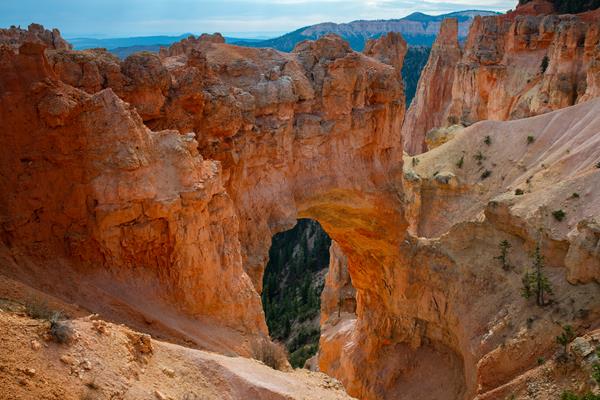
The main park road is 18 miles (29 km) from the park entrance in the north to the end of the road at Rainbow at Yovimpa Points. While the Bryce Amphitheater area is found along its first 3 miles (4.8 km), the next 15 miles (24 km) to the road's end are known as the Southern Scenic Drive. Along this section of the main road are 9 scenic overlooks and vehicle pullouts that offer opportunities to see the lesser-seen geology and wildlife of Bryce Canyon.
Get Your Junior Ranger Badge
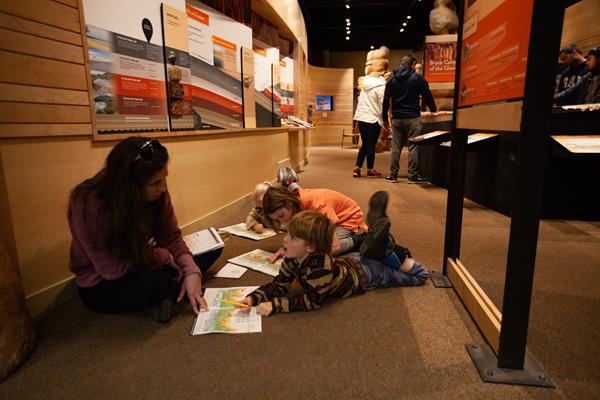
Junior Rangers can be thought of as potential Park Rangers in training. This nationwide program is designed to not only familiarize children with the duties and responsibilities of a park ranger, but also to spark an interest in the whole family for the resources and stories each National Park Service area preserves.
Backcountry Hiking and Camping
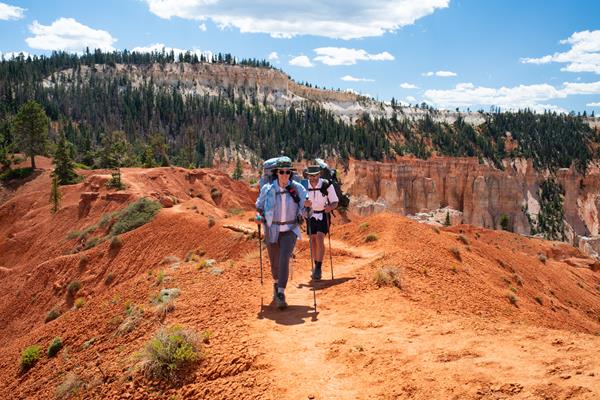
Experience the solitude of Bryce's forested backcountry! To preserve this experience, backcountry camping is permitted only in designated campsites. A backcountry permit must be obtained at the Visitor Center prior to any overnight trips.
See the Park Film
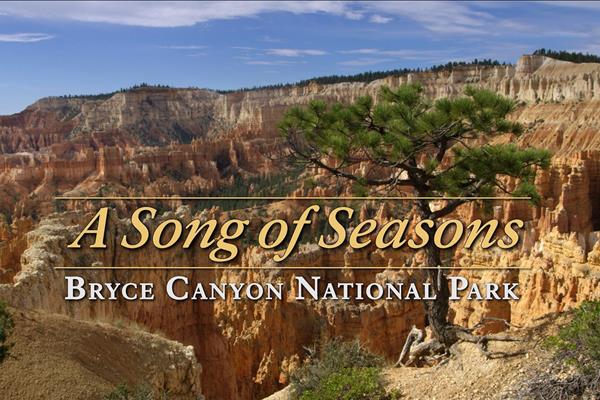
"A Song of Seasons" plays in the Visitor Center theater every half hour when the Visitor Center is open.
Day Hikes
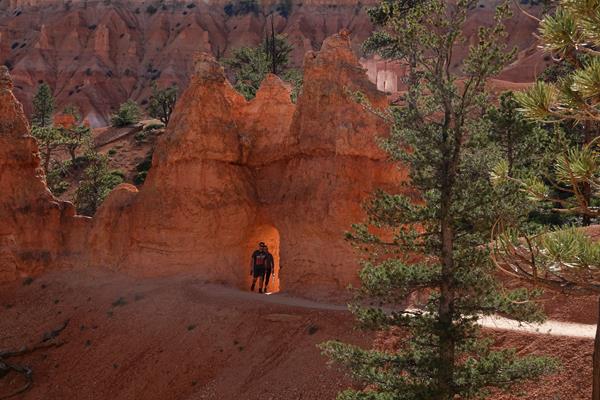
From easy walks along the edge of the famous Bryce Amphitheater using the Rim Trail to more strenuous adventures surrounded by the hoodoos below on the Peekaboo Loopthe park provides a variety of options for a variety of abilities to enjoy the park up close at your own pace. Visit the "Hiking Trails" button on the front page of this app for more trail details.
Hike the Hoodoos
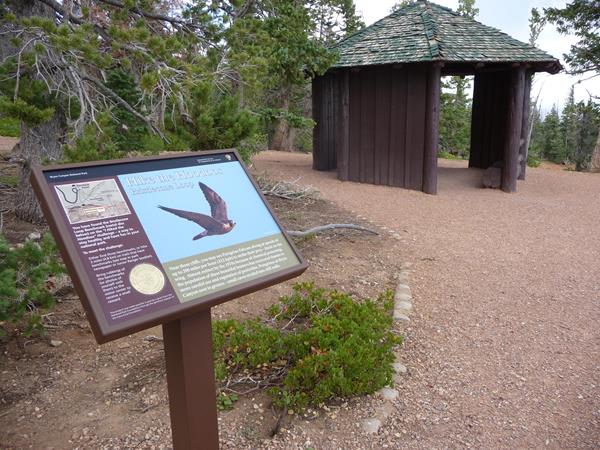
To encourage visitors to stay healthy while having fun, Bryce Canyon National Park has developed an activity called "Hike the Hoodoos!" Part hike, part scavenger hunt, visitors must hike at least 3 miles on specially-marked trails and find "Hike the Hoodoos" benchmark survey markers along the way. Visitors may either obtain rubbings of the benchmarks, or take pictures of themselves with the benchmarks, to prove they hiked the required distance.
Birdwatching
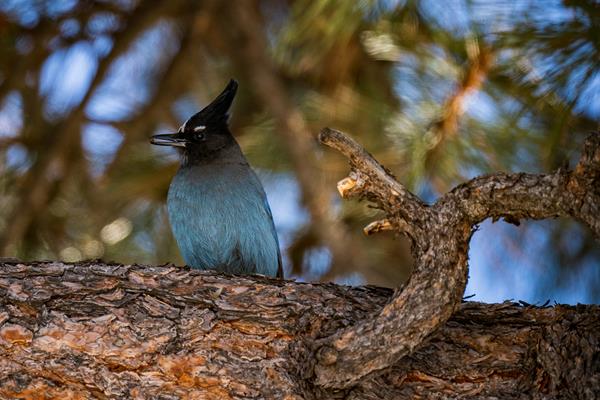
175 different species of birds have been documented to frequent Bryce Canyon National Park. Some are just passing through. Others stay for an entire season. Fewer still make this their year-round home, but those that do are charming and charismatic.
Go Snowshoeing
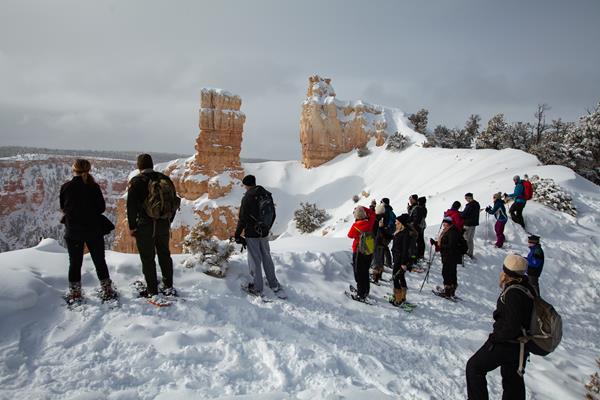
Snowshoeing is allowed throughout the park on all trails. But be aware that though snowshoes make it possible to travel through deep powdery snow, snowshoeing is still a highly strenuous activity. Most snowshoers enjoy walks along the Rim Trail, Bristlecone Loop, Fairyland Road, and Paria Road.
Explore the Visitor Center Museum
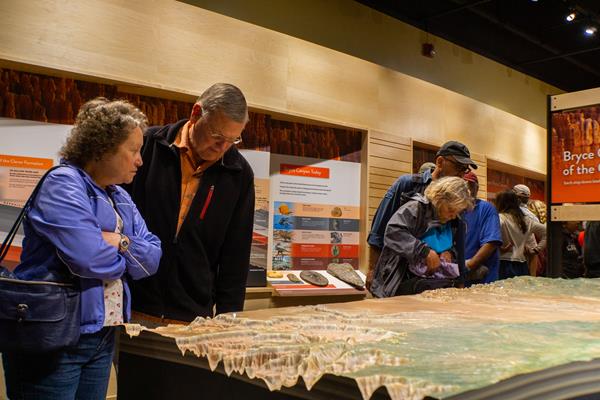
The park museum is found within the Visitor Center and contains exhibits focused on scales of time: Geological, Ecological, Human, and with special exhibits on the Night Sky and Air Quality.
Walk the Rim Trail
The Rim Trail stretches from its beginning in the south at Bryce Point 5.5 miles (8.9 km) north to Fairyland Point. As it follows the edge of the Bryce Amphitheater area of the park, it connects to Inspiration Point, Sunset Point, and Sunrise Point providing a relatively easy hike (depending on how much of it you do) that offers spectacular views of the park's most popular area.