 US National Parks Map Directory
Wind Cave
Hot Springs, SD
About
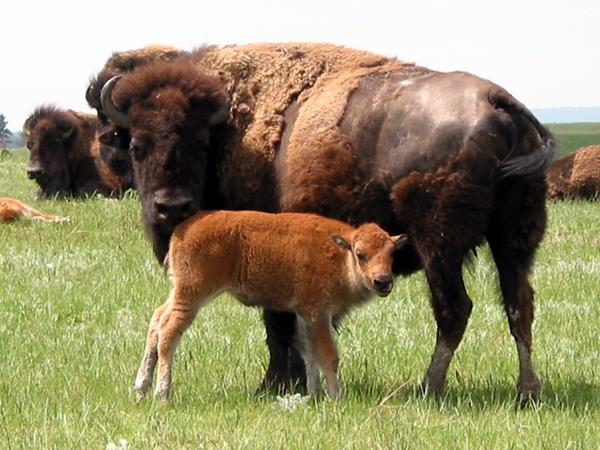
Wind Cave National Park protects two very different worlds - one deep within the earth, the other a sunlit world of many resources. Bison, elk, and other wildlife roam the rolling prairie grasslands and forested hillsides of one of America's oldest national parks. Below the remnant island of intact prairie sits Wind Cave, one of the longest and most complex caves in the world.
Directions
Wind Cave National Park is located in South Dakota about 11 miles north of Hot Springs, or about 22 miles south of Custer, on US Highway 385. The park Visitor Center, where all cave tours begin, is approximately 1/2 mile west of the highway.
Weather Info
Spring: Highs range from 50-70°F with highly variable weather. Spring is the park's wettest season. Summer: Hot and generally dry with daytime temperatures regularly exceeding 80°F (27°C). Strong thunderstorms are common and can produce large hail and lightning. Fall: Generally dry with warm days and cool nights. Highs 50-60°F. Lows below freezing are common. Winter: Highs are in the high 30s with lows around 10°F. Snowfall averages 30 inches annually, periodically closing park roads.
Photos
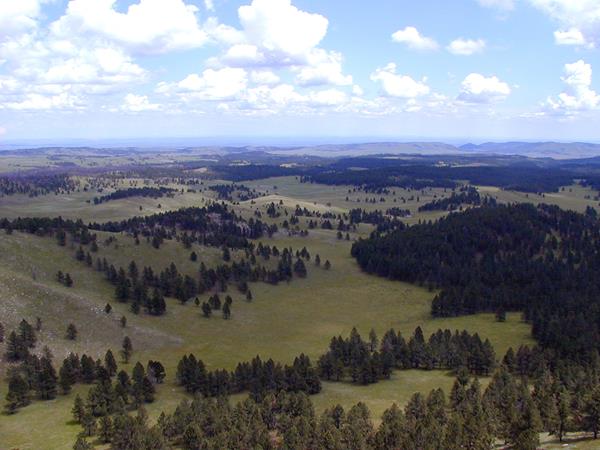
Wind Cave National Park from Rankin Ridge, the park's highest point.
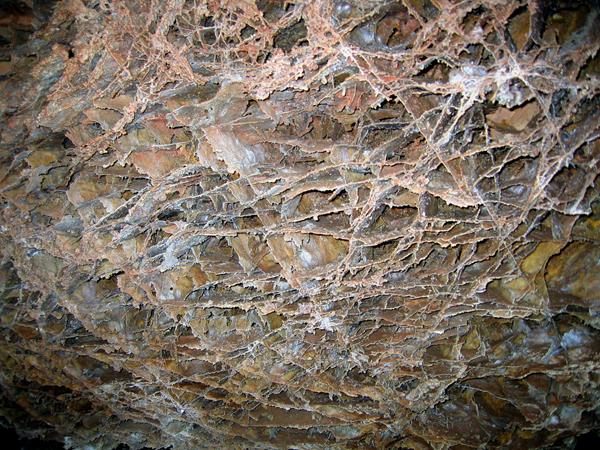
Delicate fins of boxwork, a rare cave feature, in Elk's Room, Wind Cave.
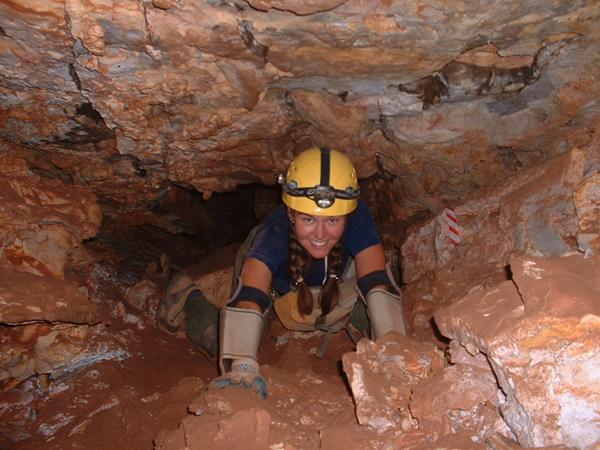
Each summer, the Wild Cave Tour offers the chance to get up close and personal with Wind Cave.
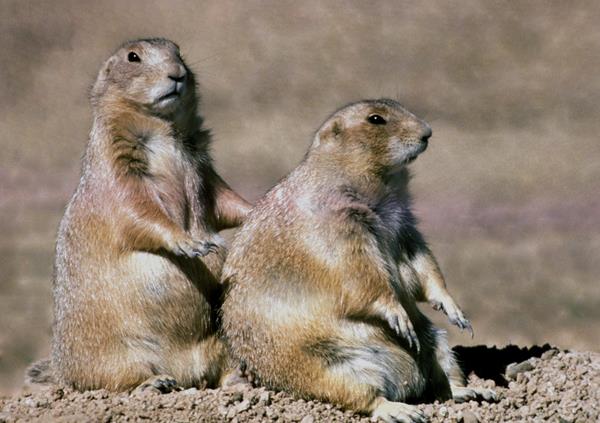
Prairie dog sightings are common throughout the park's prairies.