 US National Parks Map Directory
Organ Pipe Cactus
Ajo, AZ
Drive the North Puerto Blanco Loop
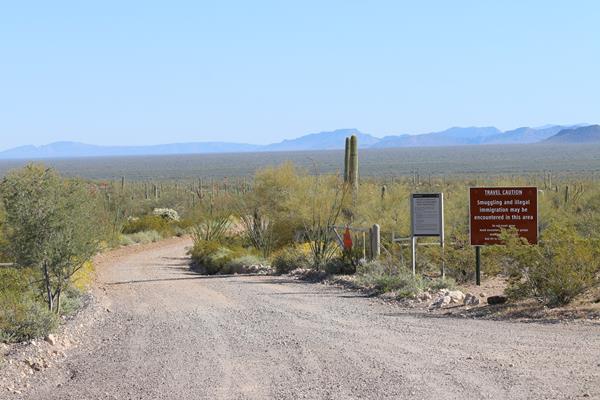
For those looking for a longer, more rugged scenic drive through Organ Pipe, Puerto Blanco Drive is a great way to experience some of the park’s volcanic geology, mining history, and natural springs. The 41 mile Puerto Blanco Loop is broken into two parts: North Puerto Blanco Drive and South Puerto Blanco Drive.
Drive the Ajo Mountain Loop
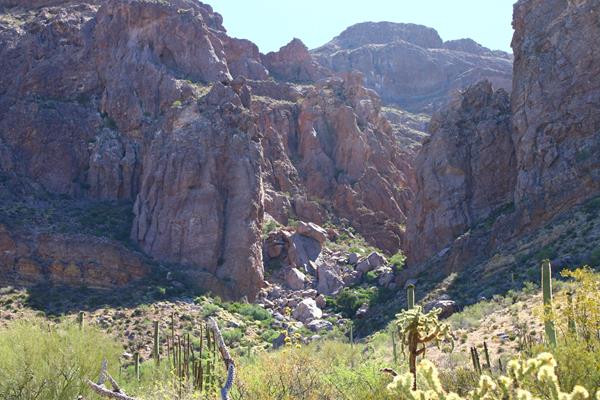
The Ajo Mountain Drive is a 21-mile (34 km) graded, one-way dirt road that gives visitors an excellent overview of the landscape and flora or Organ Pipe Cactus National Monument. The drive takes approximately 2 hours, and has been designed so that a passenger car, driven with caution, may be taken over it safely. Trailers, buses and RVs over 25 ft (8 m) are prohibited on the drive. Several hikes and backcountry camping can be accessed from this drive.
Drive South Puerto Blanco Road
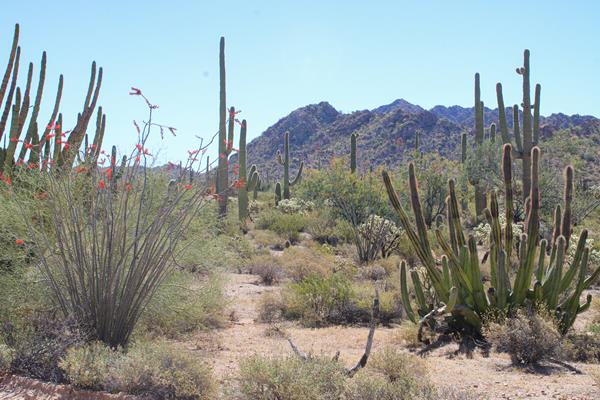
South Puerto Blanco Drive is a two-way, graded dirt road that follows the southern boundary of the park and provides access to Senita Basin and Quitobaquito Springs. Great examples of organ pipe, senita, and saguaro cacti are visible along this route. This road can be washboarded – reduce your speed and allow extra time. These roads are doable in a normal passenger car. Trailers, buses, and motorhomes over 25 feet (8 meters) are prohibited on the drive.
Birding at Organ Pipe
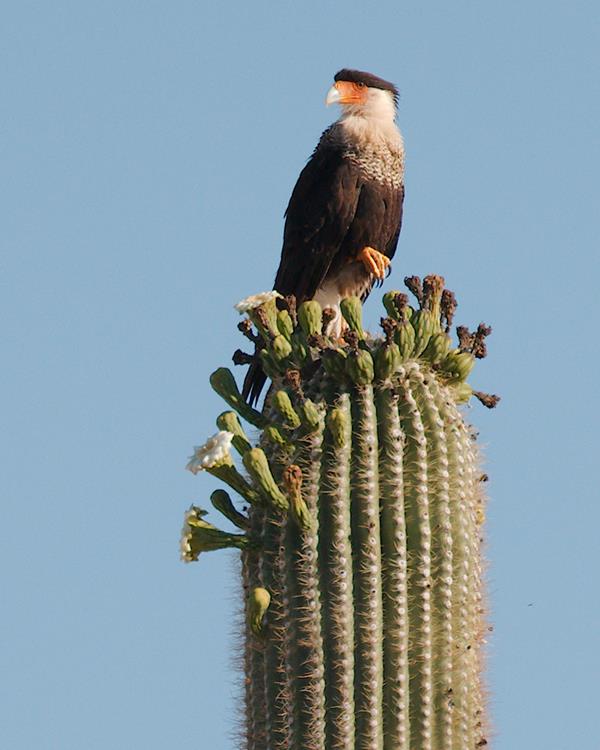
Organ Pipe sits along a primary migratory flyway, creating an oasis for bird enthusiasts of all levels. In addition to hosting an exciting array of migratory birds during fall and spring, we also have 36 species of resident birds that can be found year round at Organ Pipe.
Become an Organ Pipe Junior Ranger
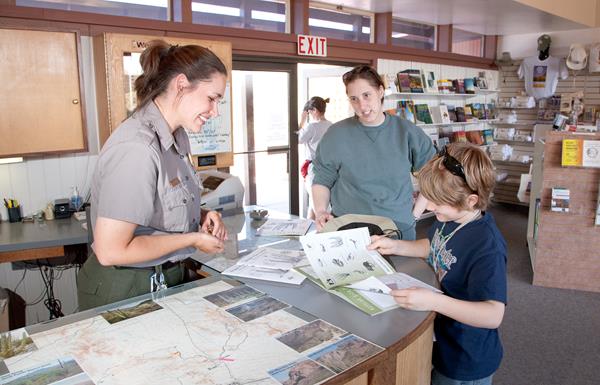
Become a Junior Ranger at Organ Pipe Cactus National Monument.
Become a Desert Ranger
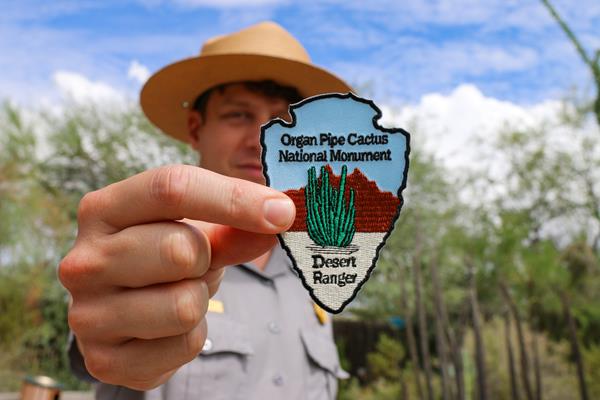
For the 'Not-so-Junior-Ranger," or those looking for a challenge, the free Desert Ranger program allows the young at heart to earn their Desert Ranger badge and patch by completing an activity booklet available at the visitor center.
See Endangered Pupfish Along the Visitor Center Nature Trail
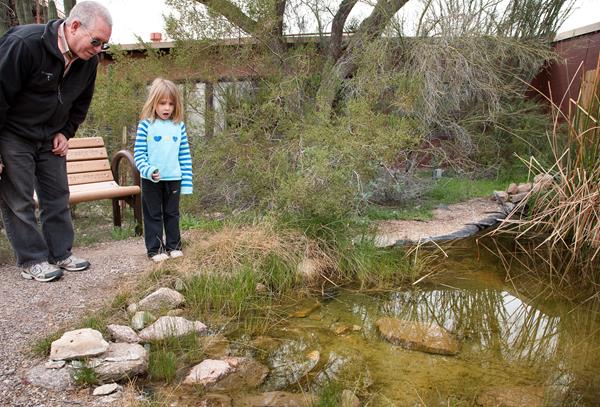
Next to the Kris Eggle Visitor Center is a 1/10th of a mile paved nature trail that loops by a small pond and showcases native Sonoran Desert plant life. The trail begins by the back door of the visitor center and loops back around to the parking lot.
Hike to Victoria Mine
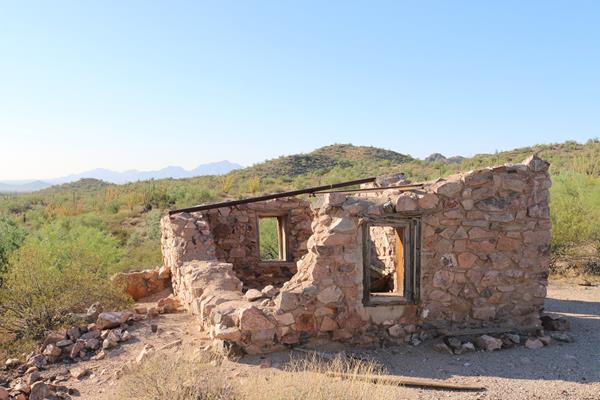
Experience Organ Pipe’s mining history by hiking to Victoria Mine, one of the oldest prospecting sites in southwest Arizona and the heart of gold and silver mining in the Organ Pipe area.
Hike to Lost Cabin
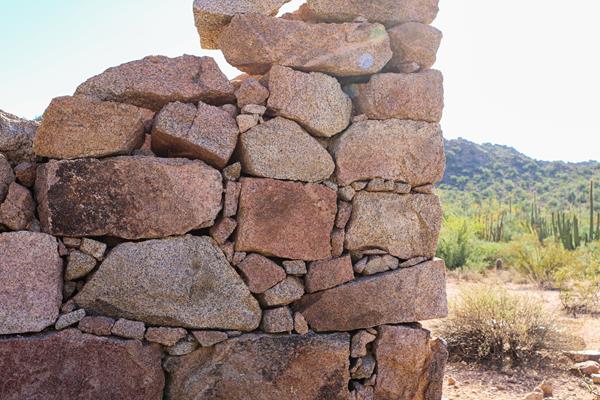
Looking for a lengthier hike that showcases Organ Pipe’s mining history? This 8 mile (12.8 kilometers) round-trip hike includes the Victoria Mine site and an old stone mining house known as Lost Cabin.
Hike the Senita Basin Loop
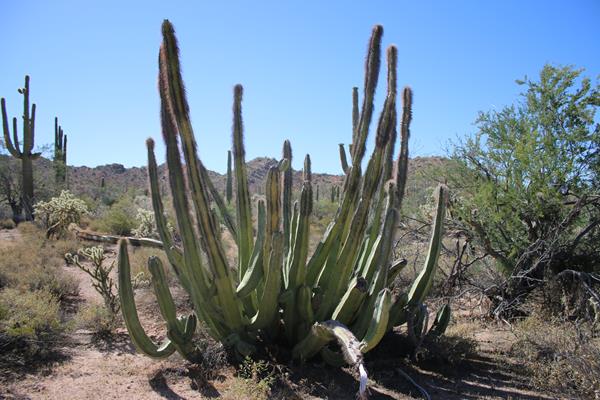
Easy loop trail located in a low elevation area on the south side of the Puerto Blanco Mountains. This lush basin is one of the few places you can see all three of the park’s columnar cacti coexisting: saguaro, organ pipes, and the senita cacti. The most impressive groves of senita cacti are along the road into Senita Basin and near the trailhead.
Hike the Estes Canyon/Bull Pasture Loop
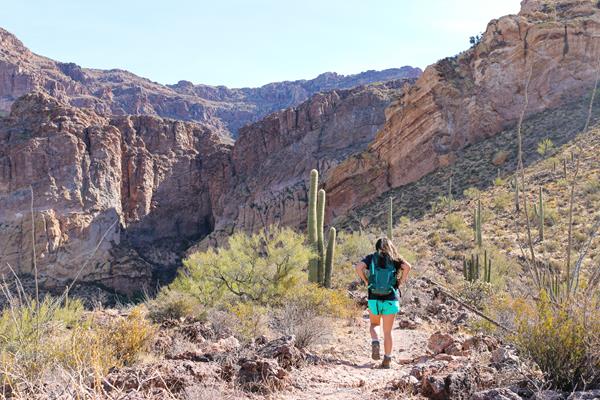
The moderate Estes Canyon trail provides ample wildlife and wildflower viewing opportunities while a steep, strenuous climb up the Bull Pasture spur trail will reward visitors with spectacular views of the Sonoran Desert.
Stargazing at Organ Pipe
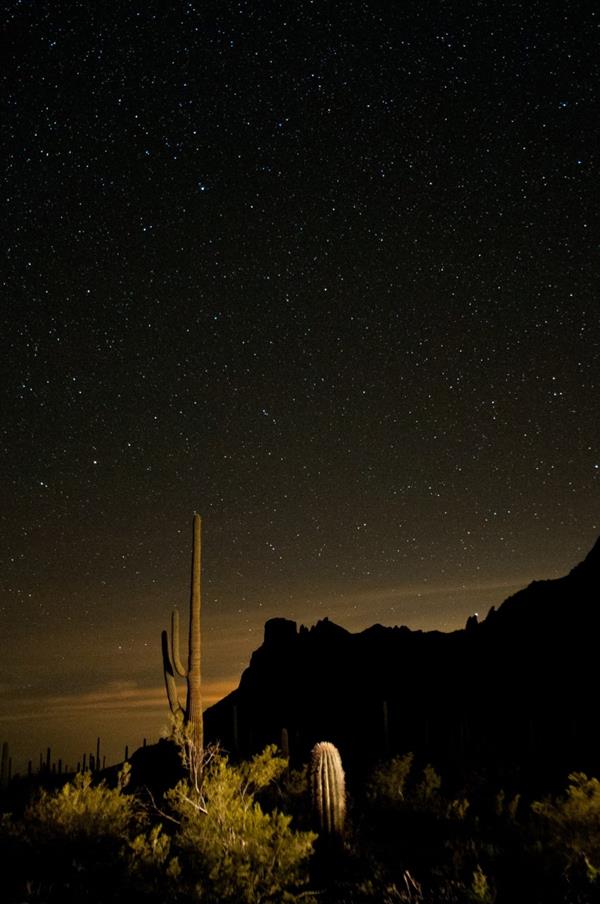
Take advantage of our monument's dark skies to do some stargazing and astrophotography, or join in on a night sky ranger program.
Walk Your Pet along Palo Verde Trail
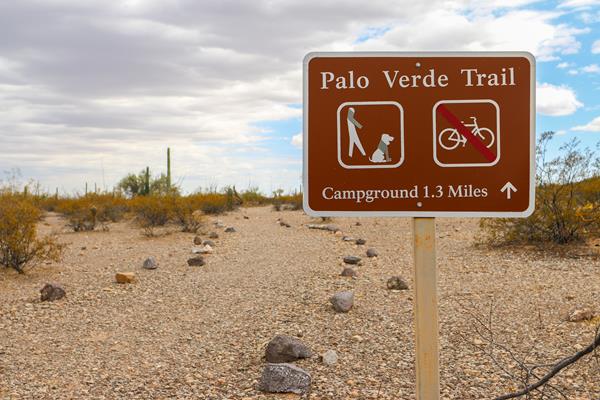
Easy, pet-friendly trail that connect the Kris Eggle Visitor Center to Twin Peak Campground. Provides beautiful views of the Ajo Mountains.
Watch the Sunset from Desert View Trail
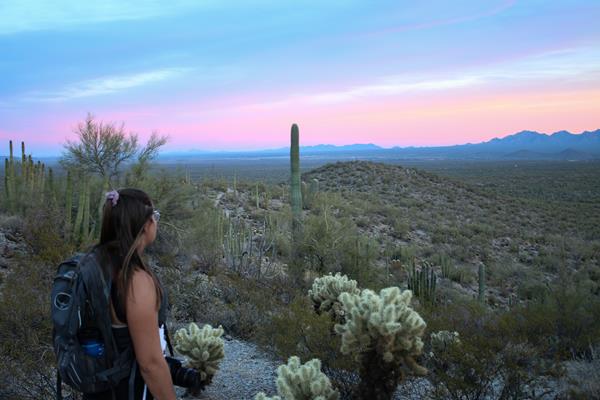
Searching for that quintessential desert sunset? The Desert View trail has your back! This short, 1.2 mile (1.9 kilometer) can be reached from Twin Peaks Campground and loops around striking stands of organ pipe cacti. The Desert View trail offers great views for sunrise or sunset.
Hike Arch Canyon
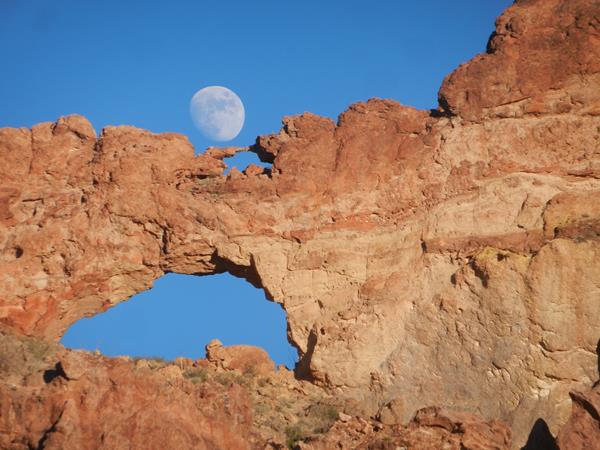
One of the most photographed sites along the Ajo Mountain Drive are the double arches carved into the mountains. Walking the easy, relatively flat Arch Canyon trail provides wonderful opportunities to see wildflowers and gaze upon the rhyolite arches.
Hike Alamo Canyon
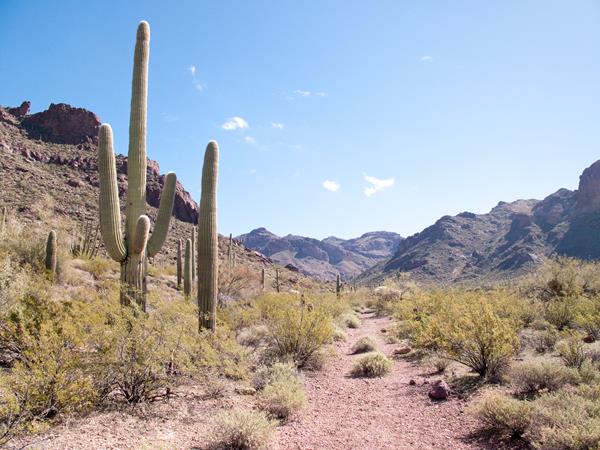
The Alamo Canyon Trail follows an old road to a historic ranch house and corral, and provides ample wildlife and wildflower viewing opportunities.