 US National Parks Map Directory
American Samoa
Pago Pago, AS
About
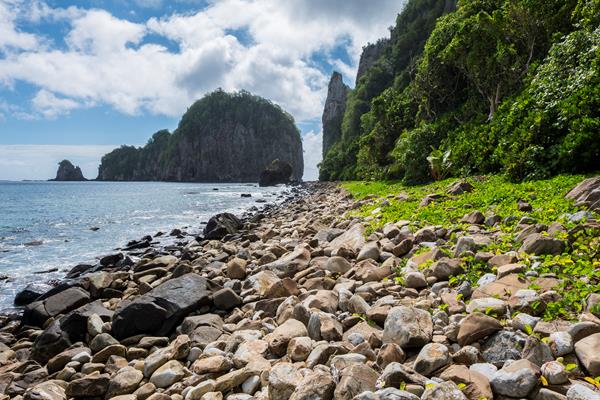
The National Park of American Samoa welcomes you into the heart of the South Pacific, to a world of sights, sounds, and experiences that you will find in no other national park in the United States. Enjoy this unique national park and the welcoming people of American Samoa. We are here to protect its rich culture and natural resources. Come explore them with us!
Directions
The visitor center is located in the village of Pago Pago, across from the Pago Way Service Station. The national park is located in the villages of Vatia, Pago Pago, Fagasa, Afono (on Tutuila Island), Fitiuta, Faleasao (on Ta'u Island), and Ofu Island
Weather Info
American Samoa is in the South Pacific Ocean, between the Equator and the Tropic of Capricorn. A tropical climate prevails with warm or hot temperatures year-round and high humidity. Rain showers are frequent and can last only for a few minutes or all-day. The average annual rainfall is 125-inches in the dryer areas to as much as 300-inches in the highest mountains. Tropical storms are more prevalent during the long, wet summer season (October -May) and a slightly cooler and drier season (June-September)
Photos
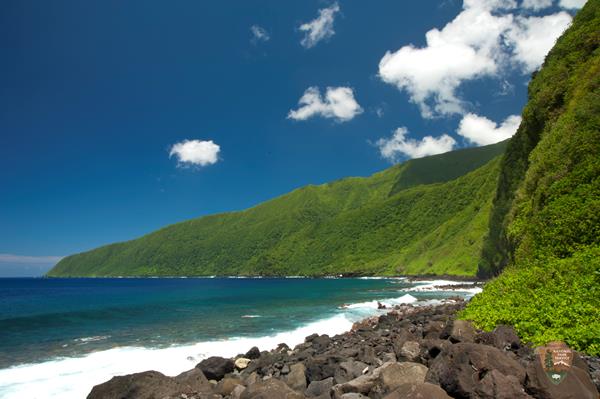
Si'u Point is a good place to view the south coast of Ta'u. some of the tallest sea cliffs in the world stairstep over 3,000 feet to the summit of Lata Mountain.
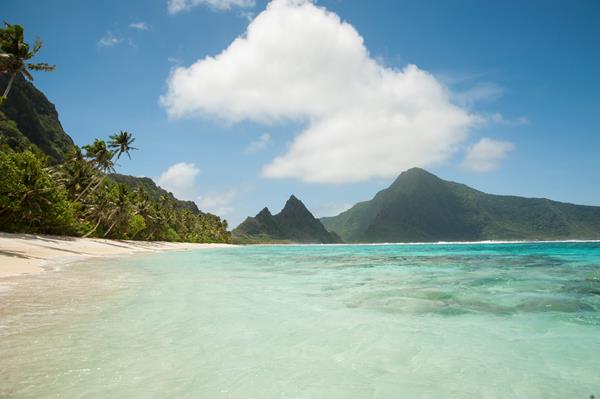
With a secluded sandy beach and fringing reef, Ofu unit of the park is an ideal place to snorkel or simply enjoy the solitude. The island of Olosega rises in the distance.
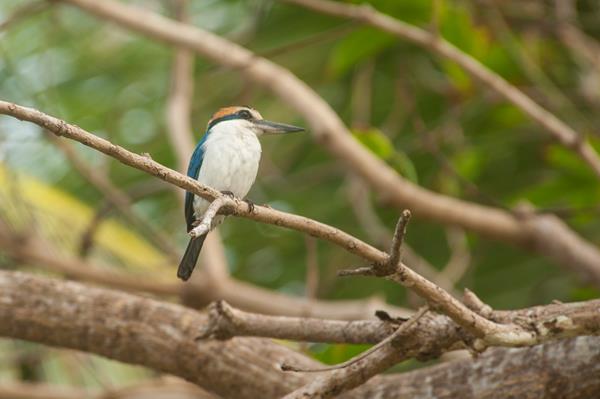
Birds are the most abundant and diverse animals in American Samoa, as they are on most oceanic islands.