 US National Parks Map Directory
Lake Clark
Port Alsworth, AK
About
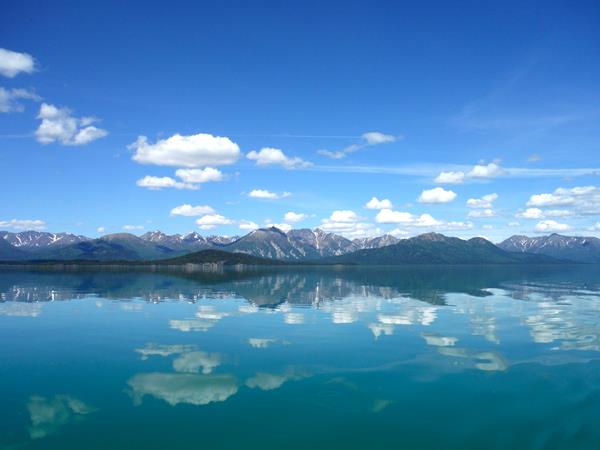
Lake Clark National Park and Preserve is a land of stunning beauty. Volcanoes steam, salmon run, bears forage, and craggy mountains reflect in shimmering turquoise lakes. Here, too, local people and culture still depend on the land and water. Venture into the park to become part of the wilderness.
Directions
Lake Clark is located on the Alaska Peninsula southwest of Anchorage and north of Katmai National Park. It is not on the road system; therefore, in order to get here you must travel either via plane or by boat. A one to two-hour flight from Anchorage, Kenai, or Homer will provide access to most points within Lake Clark. Fixed-wing aircraft are allowed to land on all suitable lakes, rivers, beaches, gravel bars, and open ground in both the park and preserve unless the area is closed or otherwise restricted.
Weather Info
Lake Clark has two distinct climate areas: the coast and the interior. The coast is wetter and experiences milder temperatures. The interior gets half to one fourth as much precipitation, but temperatures are hotter in summer and colder in winter. Frost and snow can occur any time parkwide, but are most common from September to early June. Lakes here typically begins freezing in November and melting in April. Ice conditions dictate whether planes need floats or skis to land on lakes.
Photos
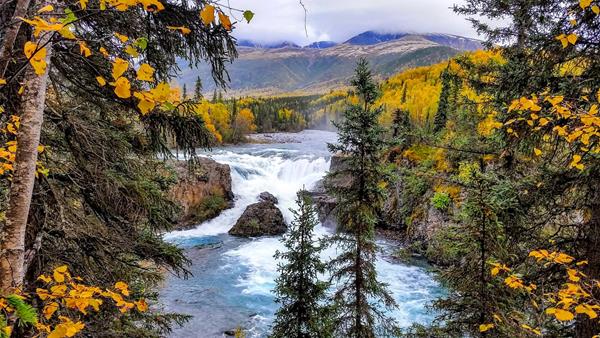
The park protects thousands of waterfalls including Tanalian Falls, which is a popular day hike destination from the town of Port Alsworth.
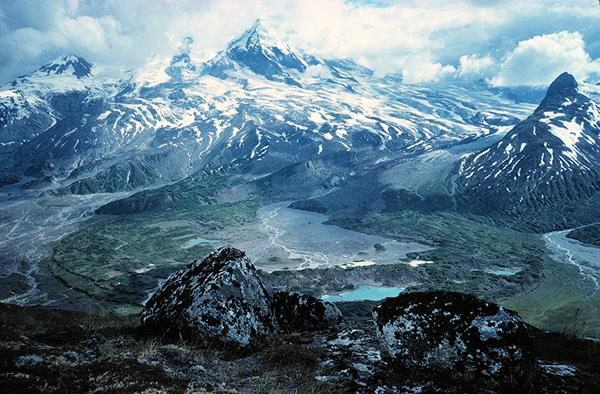
Lake Clark is a land of fire and ice. Active volcanism and retreating glaciers created and continue to shape the peaks, moraines, and river systems in the Chigmit and Neacola Mountains.
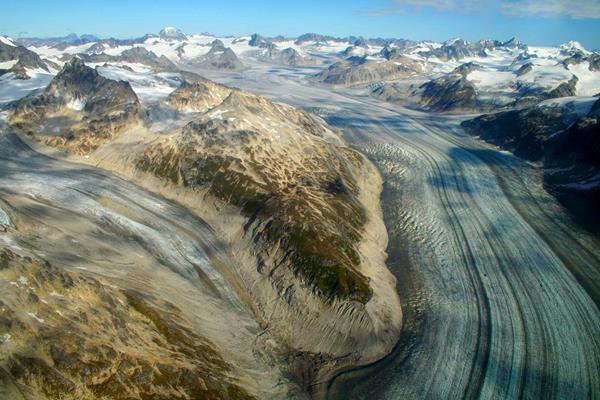
Perenial snow and glacial ice covers ~1,250 square miles, or 20% of Lake Clark National Park and Preserve.

Bear viewing is a popular activity along the Cook Inlet Coast.
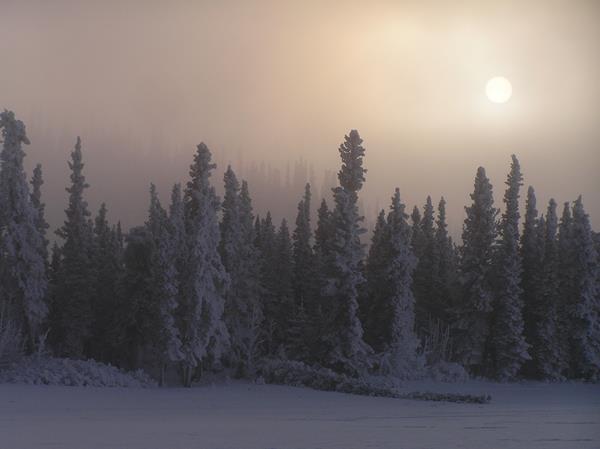
Boreal forests encircle the earth's northern latitudes like an emerald necklace. Lake Clark's forest, which covers more than 440 thousand acres or 11% of the park, is dominated by white spruce mixed with black spruce and birch.
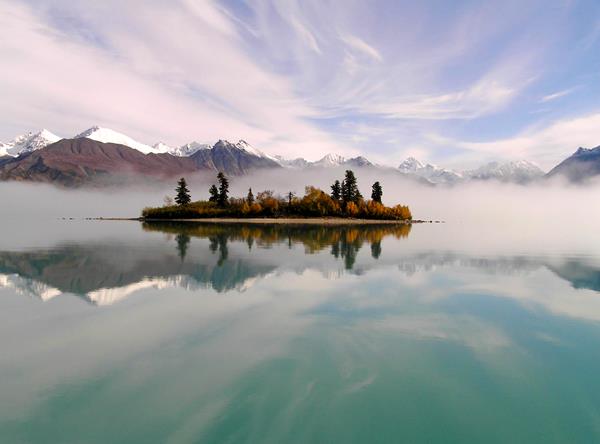
A number of glacier fed lakes pepper the western boundary of the Chigmit and Neacola mountains like a string of spectacular turquoise gems.
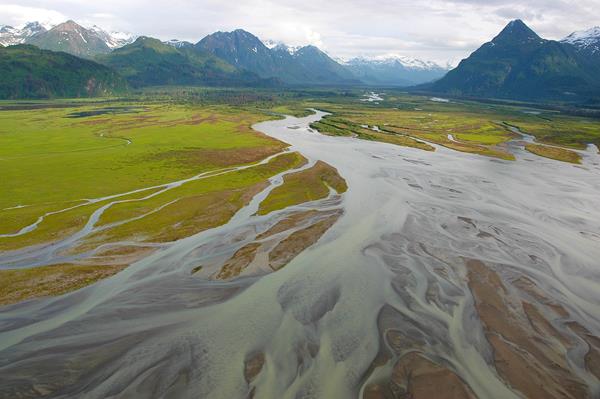
Estuaries where rivers meet the sea provide a mosaic of rich habitats along the Cook Inlet Coast that support high numbers of bears and other wildlife.
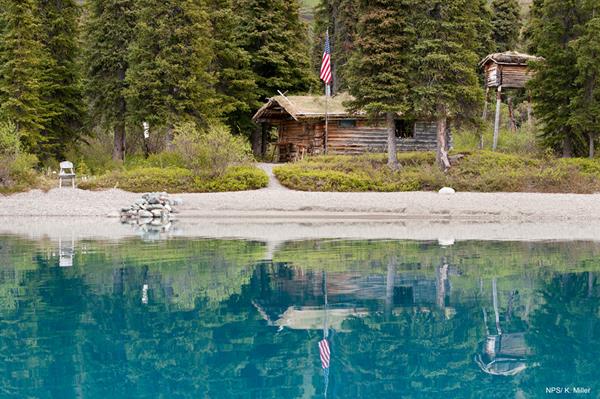
The park protects and interprets the Richard L. Proenneke National Historic Site and trail complex as a symbol of the national wilderness movement and a source of inspiration and solace sought out by visitors from throughout the world.