 US National Parks Map Directory
Glacier Bay
Gustavus, AK
About
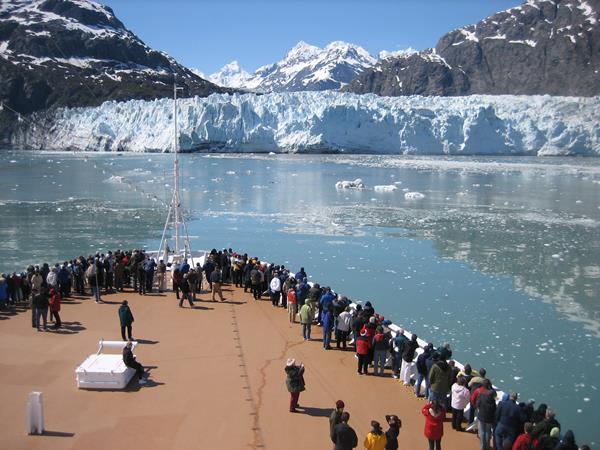
Covering 3.3 million acres of rugged mountains, dynamic glaciers, temperate rainforest, wild coastlines and deep sheltered fjords, Glacier Bay National Park is a highlight of Alaska's Inside Passage and part of a 25-million acre World Heritage Site—one of the world’s largest international protected areas. From sea to summit, Glacier Bay offers limitless opportunities for adventure and inspiration.
Directions
Glacier Bay National Park and Preserve lies west of Juneau, Alaska, and can only be reached by plane or boat. The only road in the area merely connects the small town of Gustavus and its airfield to park headquarters at Bartlett Cove (10 miles). Alaska Airlines provides daily jet service from Juneau to Gustavus in the summer months. Year-round scheduled air service is also provided by a variety of small air taxis and charters. The Alaska Marine Highway ferries also provide regular service from Juneau.
Weather Info
Summer temperatures average 50° to 60° F (10° to 15° C). Rain is the norm in lush southeast Alaska. It is best to be prepared to enjoy the park in any kind of weather, especially rain. Suggested clothing includes waterproof boots, rain gear, a hat, gloves, wool or pile layers or a warm coat. Good rain gear is essential here. April, May and June are usually the driest months of the year. September and October tend to be the wettest.
Photos
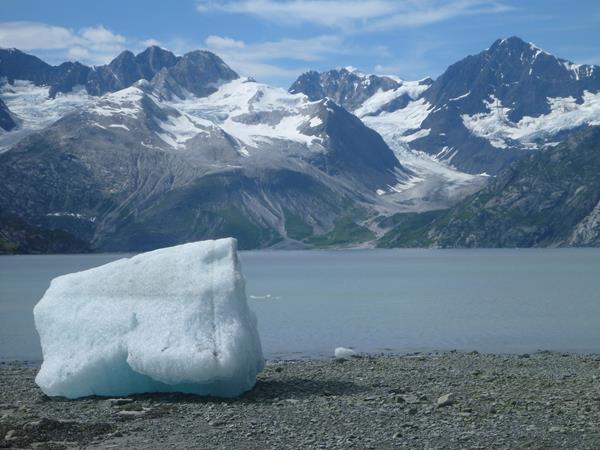
Icebergs, calved from tidewater glaciers are a common sight in Glacier Bay National Park.
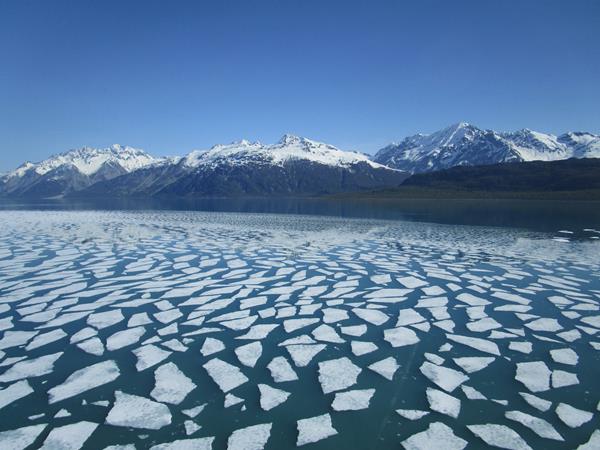
Glacier Bay offers a rare glimpse into the Ice Age
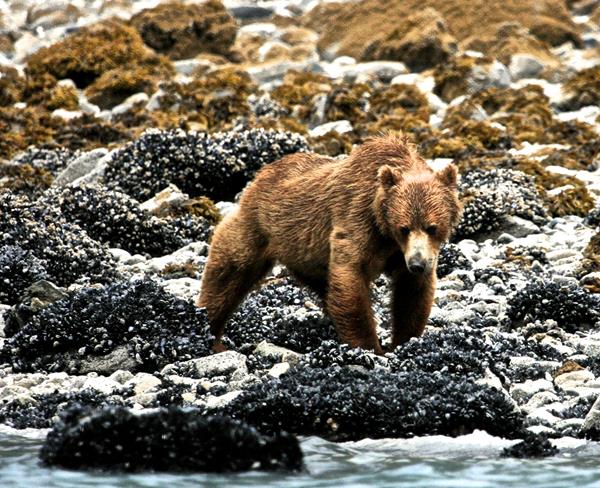
Brown bears frequently forage along the shoreline of Glacier Bay
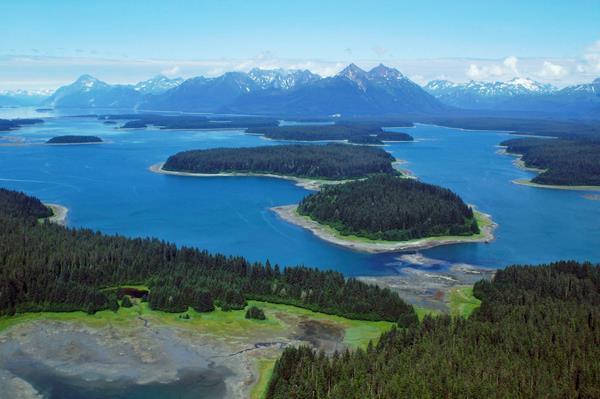
Glacier Bay is a paradise for wilderness aficionados.
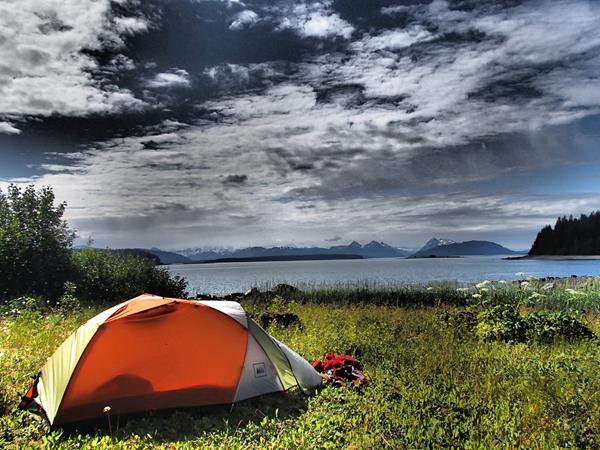
Glacier Bay provides endless possibilities for wilderness camping.