 US National Parks Map Directory
Channel Islands
Ventura, CA
Anacapa Island Landing Dock
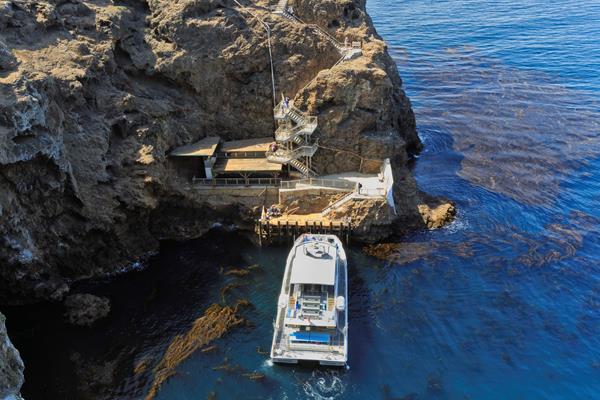
Since Anacapa is a cliff island, access to top is only at the Landing Cove on East Anacapa. Visitors must climb from the boat up a steel-rung ladder to a dock. Once ashore, visitors must climb 157 stairs to the top of the island.
Chumash on Anacapa Island
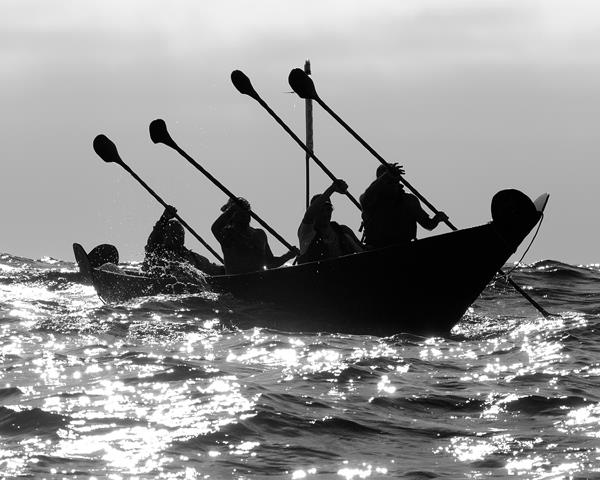
Archeological evidence suggests that the native Chumash people were visiting Anacapa Island as long as 5,000 years ago. Abalone and mussel shells, bones from fish, birds, and pinnipeds, and human artifacts such as bone tools, shell beads, projectile points, and fish hooks all suggest extensive human activity on the island. Due to the absence of fresh water on the island, it is likely that seasonal camps were used for fishing and other activities.Despite the lack of archeologi
Coast Guard General Services Building (Anacapa Island Visitor Contact Station)
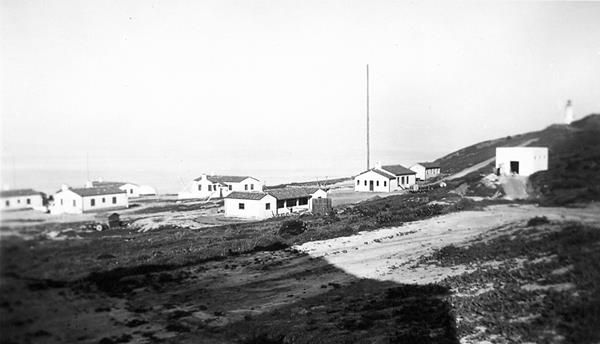
Once the historic Coast Guard general services building (workshop and garage), this Mission Revival style building now serves as a visitor contact station and bunkhouse. The small visitor contact station features include displays on the natural and cultural resources of the island and the original lead-crystal Fresnel lens from the Anacapa Lighthouse.
Crane
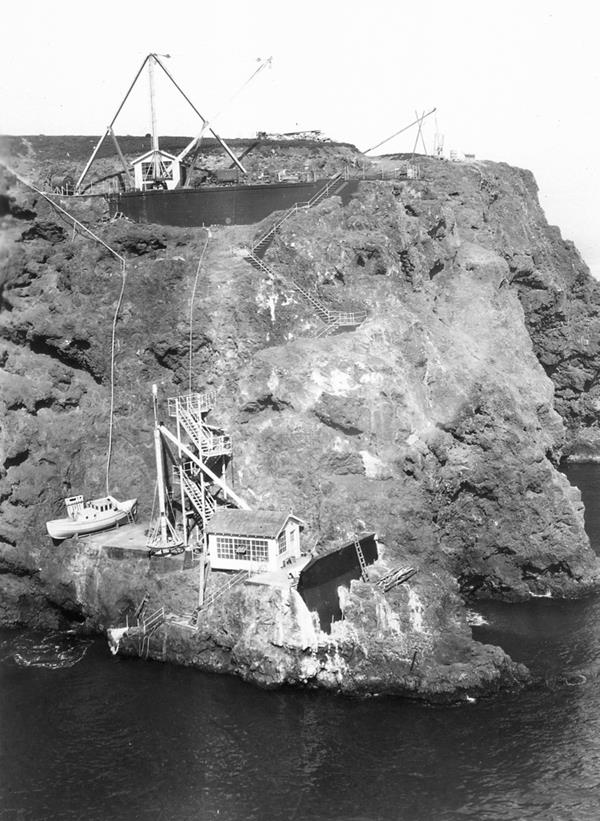
The much-photographed stairway, landing and derrick hoist at East Anacapa reflect the ingenuity of the Lighthouse Service in providing access to their lighthouse installations. It is reportedly the only remaining Lighthouse Service derrick landing system that is available for the general public to observe on the west coast. The island's rugged terrain made landing construction quite challenging. In fact, Charles Hillinger, in the The California Islands, wrote that when member
Introduction and How Did Plants Reach the Channel Islands?
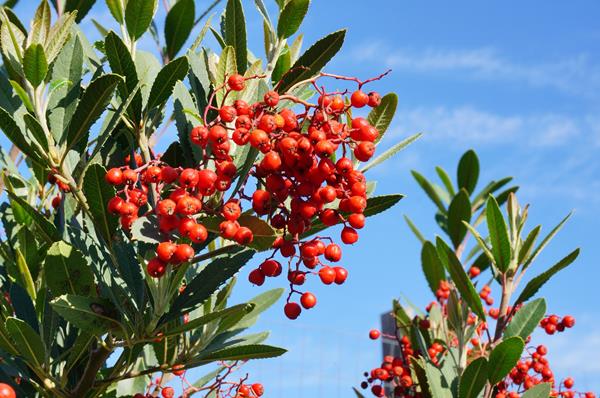
Island Plant Adaptations Guide Stop 1 The Native Plant Garden includes many plants that are unique island forms. Each trail station includes a brief discussion of these plants and their adaptation to the isolated island environment. Trail stops for this island plant adaptations guide are marked by numbered posts and decorated with a leaf shape.A separate trail guide describing the Chumash use of many of these plants is also available at the trailhead and in the visitor center
Introduction and Plants Used in Manufacturing
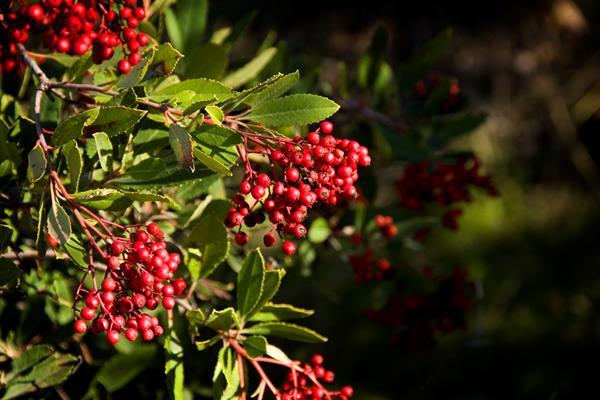
Island Chumash Plant Usage Guide Stop 1 The Native Plant Garden includes some of the important plants used by these people. Each trail station includes a brief discussion of these plants and the uses made of them by the Chumash. The Island Chumash names, as well as the common plant names, are printed next to each illustration.Stations along the trail are marked by numbered tiles and decorated with a black Chumash symbol.A separate trail guide describing plant adaptations is a
Picnic Area (Anacapa Island Visitor Center)
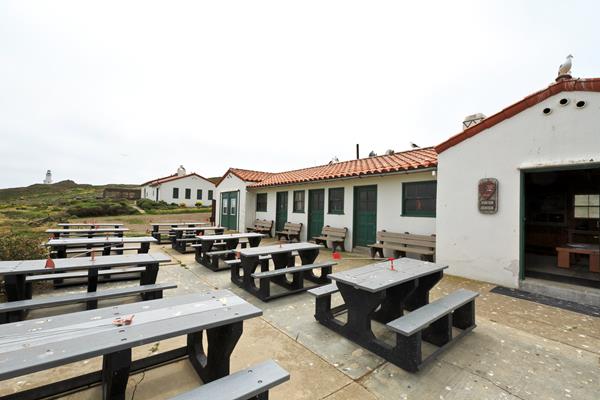
Picnic tables are available near the visitor center. Please remove your garbage and secure your food. Visitors are required to pack out what they pack in, including garbage, and to secure their food and trash from birds and animals at all times. Use the provided food storage boxes or coolers. Animals will unzip bags and tents so secure zippers with paper clips, twist ties, safety pins, or small carabiners. Wildlife that feed on human food become more vulnerable to predators
Potato Harbor Overlook
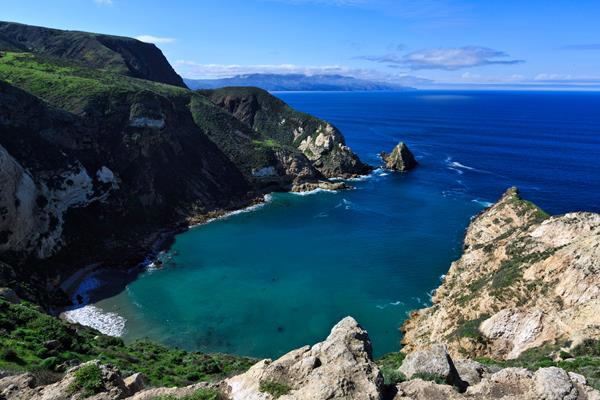
There is no beach access to Potato Harbor. The cliffs surrounding the harbor are steep and dangerous. Once you have reached the overlook at Potato Harbor you can probably guess as to how this harbor received its name-its oval shape resembles that of a potato. From the overlook you also have a magnificent view to the west and the rest of Santa Cruz Island. Santa Cruz Island is the largest island off the west coast of the U.S. At 96 square miles, around 62,000 acres, it is abo
Potato Harbor Overlook Hike
Although there is no beach access from the Potato Harbor overlook, the coastal vistas are magnificent. Access to the harbor is only via boat or kayak. Distance: 5 miles (round trip from Scorpion Beach) Difficulty: Moderate
Sign: Anacapa Island Welcome
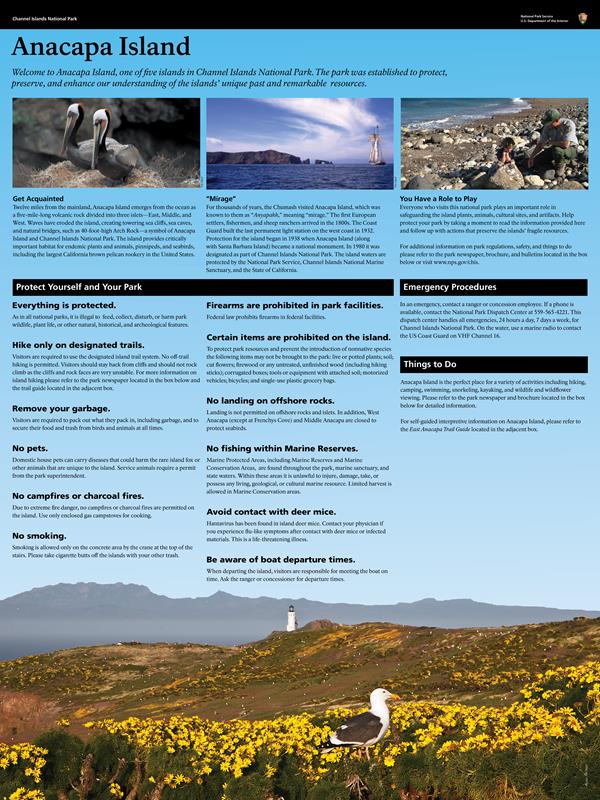
Welcome to Anacapa Island, one of five islands in Channel Islands National Park. The park was established to protect,preserve, and enhance our understanding of the islands' unique past and remarkable resources.
Stop 3: Cavern Point Tour
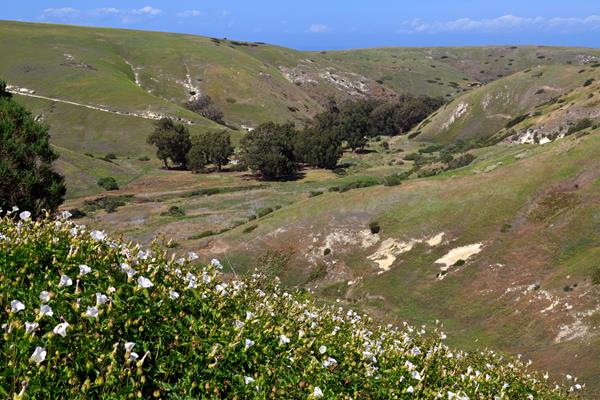
Return of the Natives he over 100-year-old blue gum eucalyptus grove that spreads out behind the ranch area was one of many groves that were planted throughout the island during the ranching era for use as windbreaks, fuel, and wharf piles. Fortunately, the spread of these nonnative trees can be controlled. Many other non-native plants that reached the islands during the ranching period, however, are not as benign. What was once an island covered with coastal sage-scrub, chap