 US National Parks Map Directory
Biscayne
Homestead, FL
About
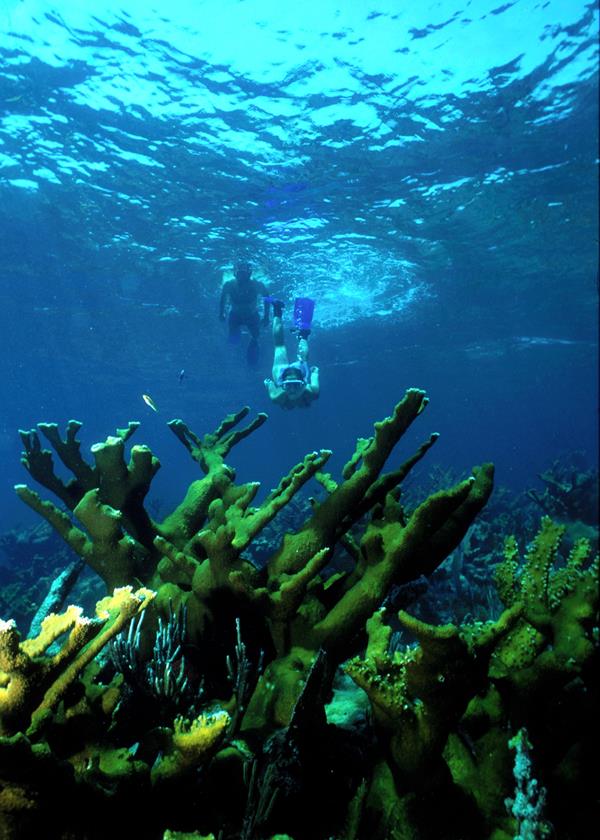
Within sight of Miami, yet worlds away, Biscayne protects a rare combination of aquamarine waters, emerald islands, and fish-bejeweled coral reefs. Evidence of 10,000 years of human history is here too; from prehistoric tribes to shipwrecks, and pineapple farmers to presidents. For many, the park is a boating, fishing, and diving destination, while others enjoy a warm breeze and peaceful scenery.
Directions
The Dante Fascell Visitor Center may be reached from the Florida Turnpike by taking Exit 6 (Speedway Boulevard). Turn left from exit ramp and continue south to SW 328th Street (North Canal Drive). Turn left on 328th Street and continue for four miles to the end of the road. The park entrance is on the left just before the entrance to Homestead Bayfront Marina.
Weather Info
The park is situated in a subtropical climate, which ensures sunshine year-round. Winters are normally dry and mild, with occasional fronts bringing wind and little rain. Summer brings hot and humid weather with scattered thunderstorms in the afternoons. The average temperature in January is 68 degrees Fahrenheit and 82 in July. The average rainfall for the area is 2.17 inches in January and 3.95 inches in July. June to November is hurricane season.
Photos
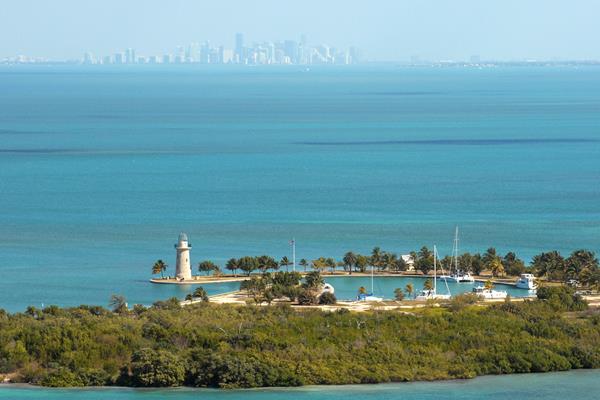
Boca Chita Key is the park's most popular island destination.
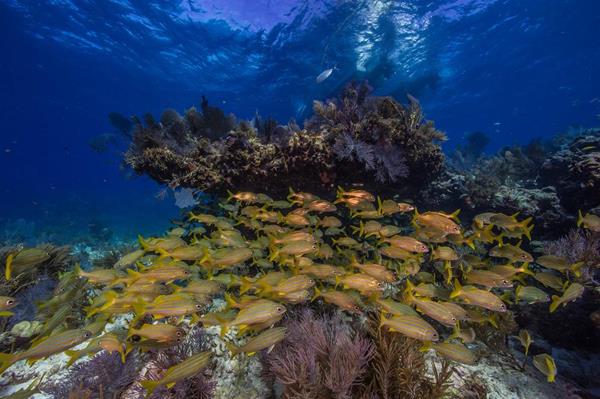
The coral reef is home to many species of fish
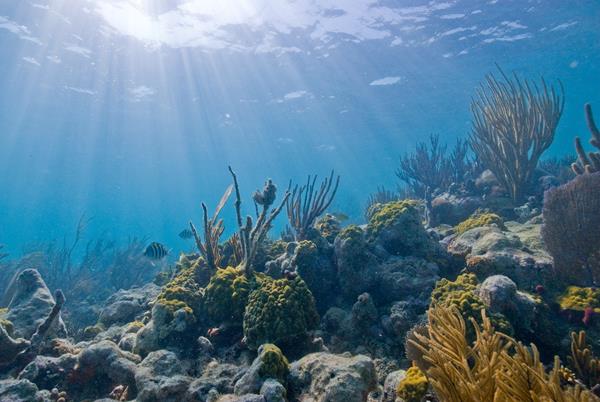
Biscayne National Park is 95% water.
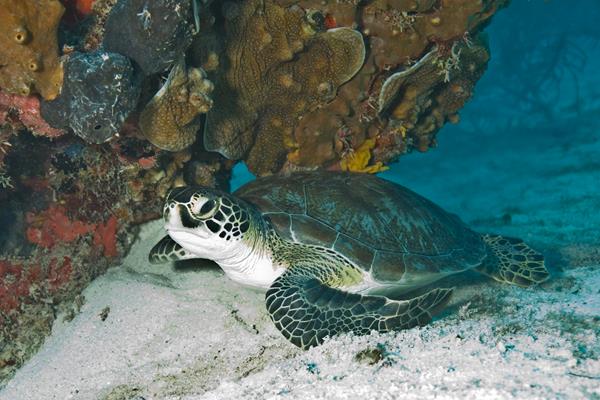
Loggerhead, Green and Hawksbill turtles are all commonly observed in park waters.
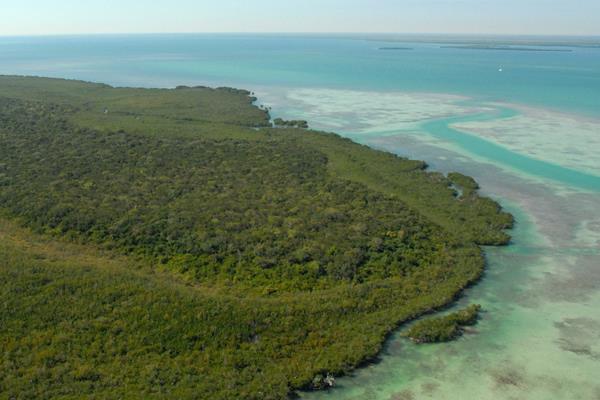
Biscayne National Park includes the northernmost Florida Keys.