US National Parks Map Directory
Badlands
Southwestern, SD
Castle Trailhead
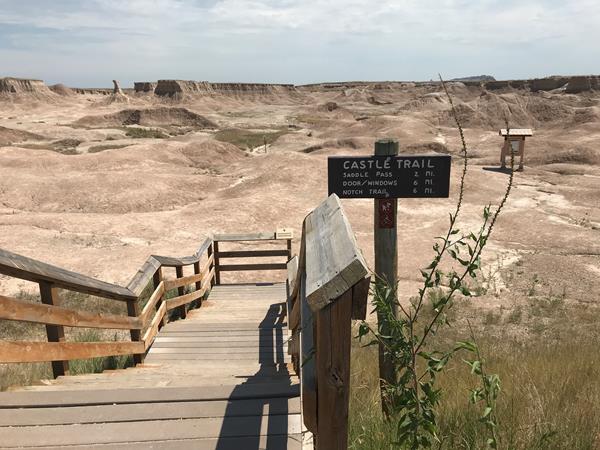
Moderate. The longest trail in the park begins at the Door and Window parking area and travels five miles one way to the Fossil Exhibit Trail. Relatively level, the path passes along some badlands formations. 10 miles/16 km (round trip)
Cliff Shelf Trailhead
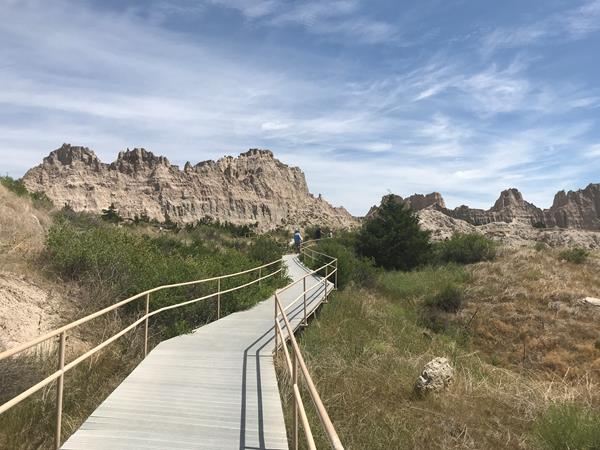
Cliff Shelf Nature Trail is one of several short, accessible hikes near the Ben Reifel Visitor Center of Badlands National Park.
Conata Picnic Area
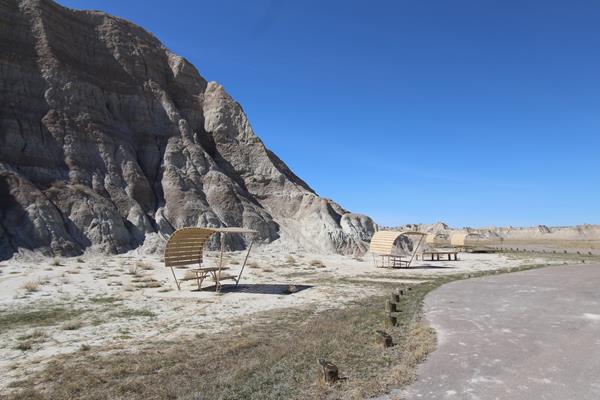
One of several picnic areas available for use in the park along the scenic loop road.
Deer Haven Trailhead
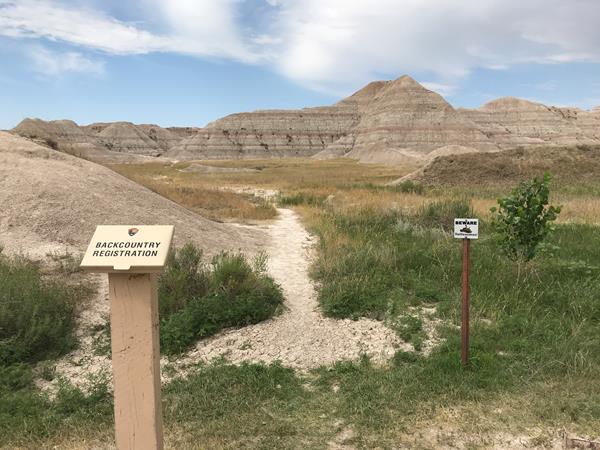
Badlands National Park has an Open Hike Policy, meaning that you are allowed to hike off-trail. As a visitor to the Badlands, you are free to explore social trails like Deer Haven, the Sage Creek Wilderness Area, or any other part of the park you can visit safely. Deer Haven is either a short round-trip (6 mile) hike or a more extensive 23 mile loop. The trail is not marked, so navigation will rely on map/compass or GPS routing.
Door Trailhead
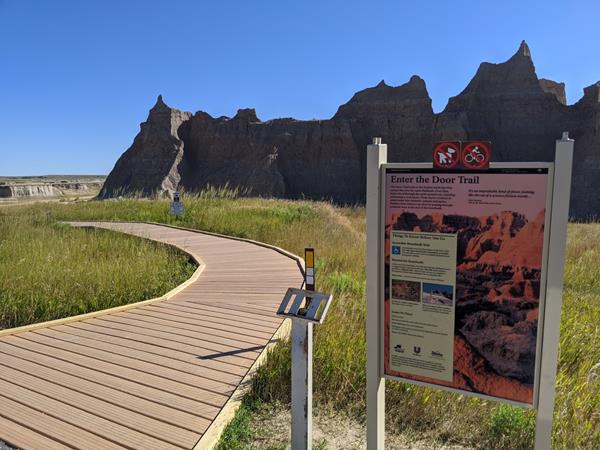
One of the park's most popular trails providing an accessible view of badlands buttes and formations.
Fossil Exhibit Trailhead
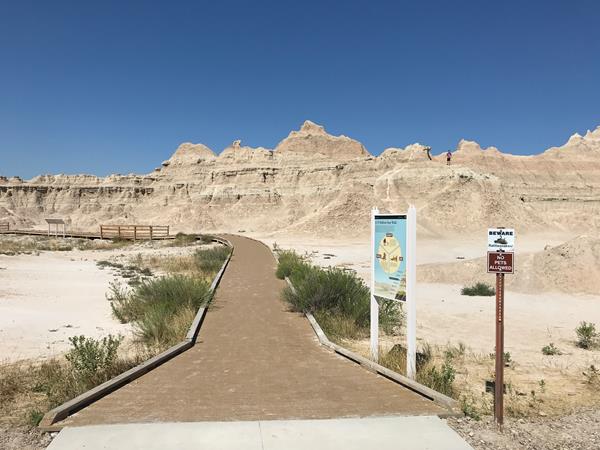
Fossil Exhibit Trail is one of several features in the park that provide accessible enjoyment of the park's resources.
Medicine Root Trailhead
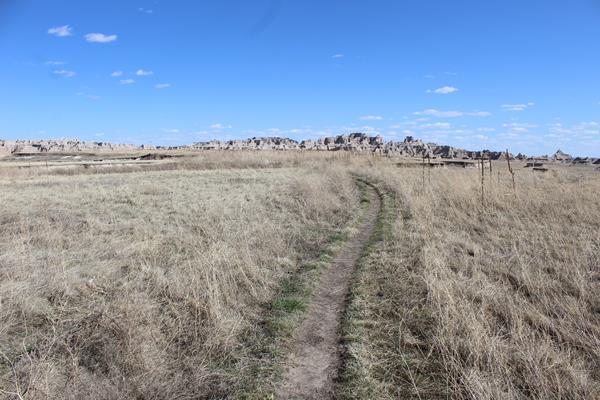
On the Castle Trail portion of the Medicine Root loop, the trail is almost entirely within the upper part of the Brule Formation (Poleslide Member; Oligocene Epoch, 32.0-30.0 million years ago).
Notch Trailhead
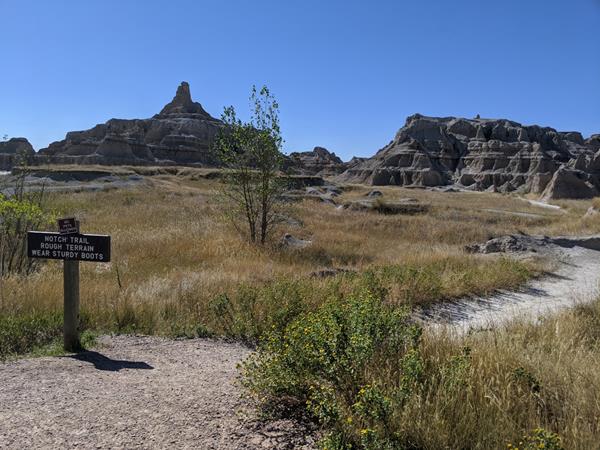
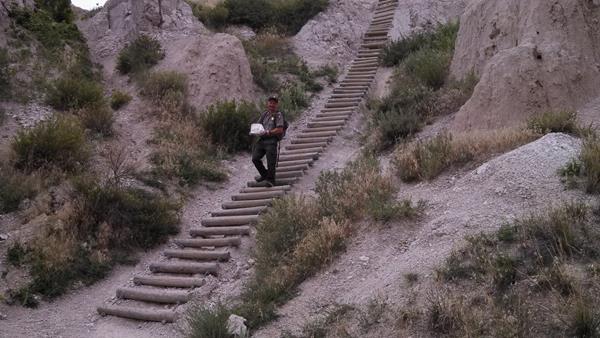
This is the park's most popular trail. It features badlands buttes, views, and a wooden ladder!
Saddle Pass Trailhead
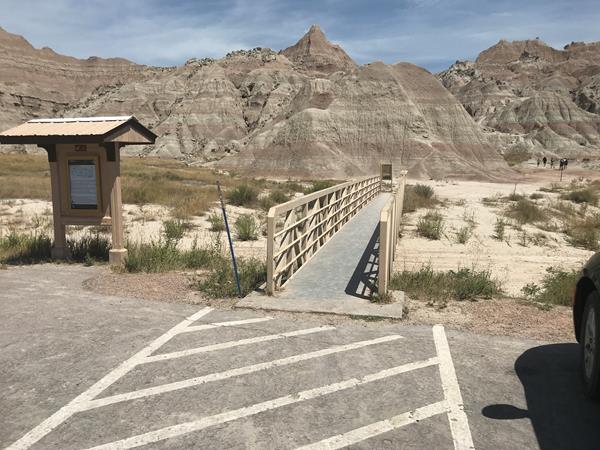
Saddle Pass is one of several short accessible hikes near by the Ben Reifel Visitor Center of Badlands National Park.
Sage Creek Wilderness
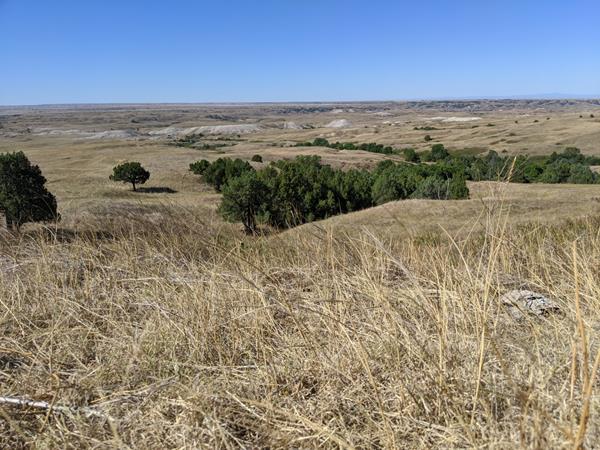
The wilderness area has a primitive campground and no official trails. Any trip to the area needs to be planned ahead of time.
Wayside: Alligator
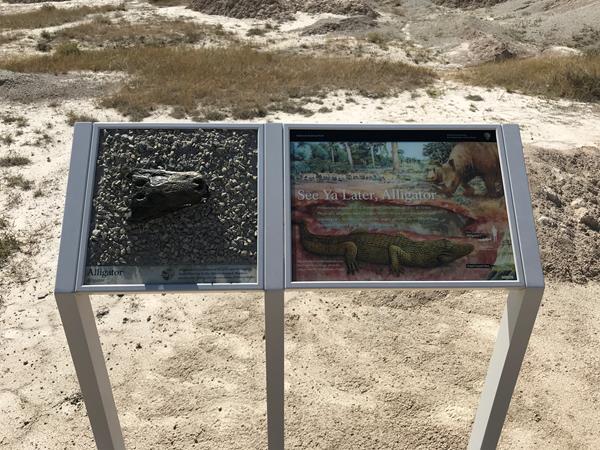
This is a stop along the Fossil Exhibit Trail of Badlands National Park. This exhibit features a replica bronze alligator fossil and information about how alligators moved to survive a changing climate.
Wayside: Ammonite
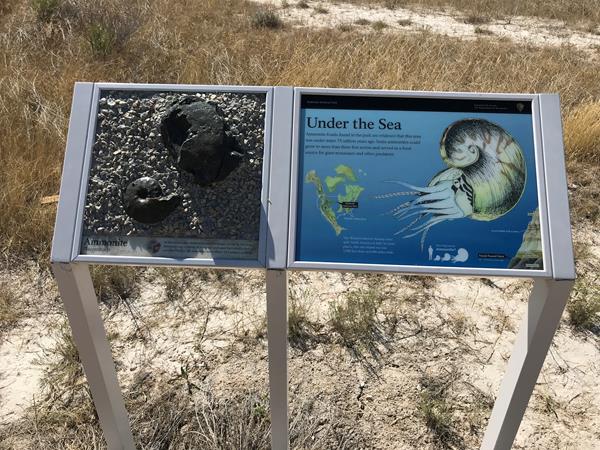
This is a stop along the Fossil Exhibit Trail of Badlands National Park. This exhibit features a replica bronze Ammonite fossil and information about how Ammonites died in response to a changing climate.
Wayside: Dog
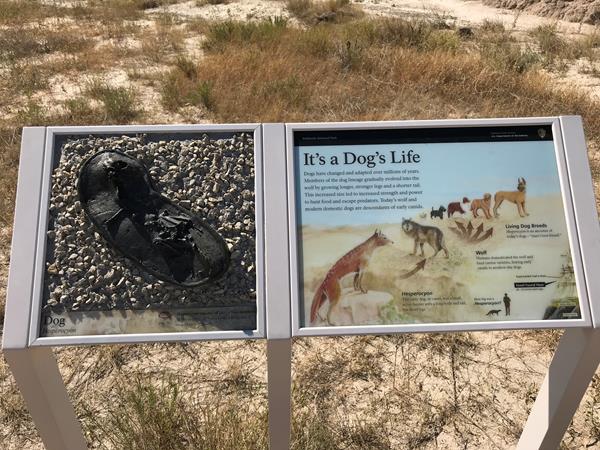
This is a stop along the Fossil Exhibit Trail of Badlands National Park. This exhibit features a replica bronze Dog fossil and information about how dogs evolved to survive a changing climate.
Wayside: Horse
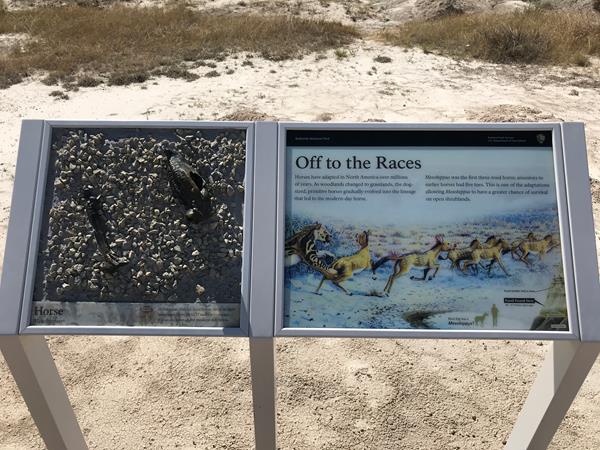
This is a stop along the Fossil Exhibit Trail of Badlands National Park. This exhibit features a replica bronze Mesohippus fossil and information about Mesohippus evolved to adapt to changing climates.
Wayside: Nimravid
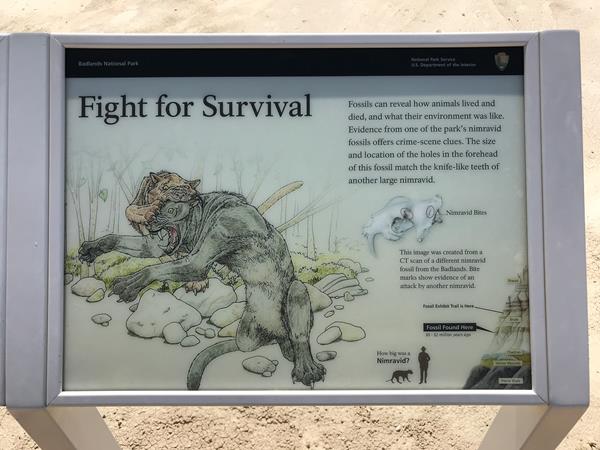
This is a stop along the Fossil Exhibit Trail of Badlands National Park. This exhibit features a replica bronze nimravid fossil and information about how nimravid died in the face of a changing climate.
Wayside: Oreodont
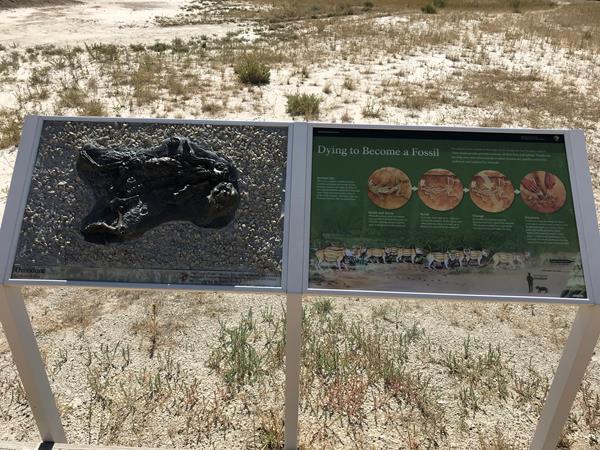
This is a stop along the Fossil Exhibit Trail of Badlands National Park. This exhibit features a replica bronze oreodont fossil and information about how the fossilization process occurs.
Wayside: Reading the Rocks
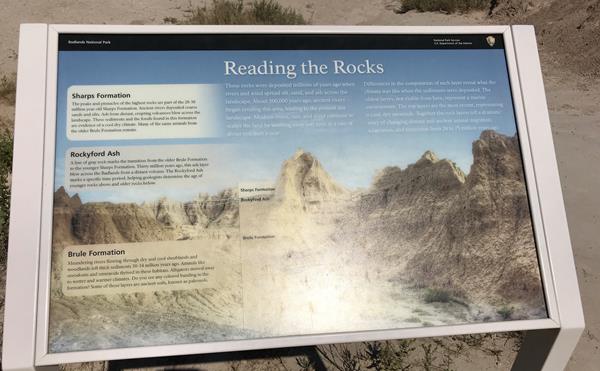
This is a stop along the Fossil Exhibit Trail of Badlands National Park. This exhibit features an annotated photograph of a badlands landscape with several layered elaborated on.
Wayside: Titanothere
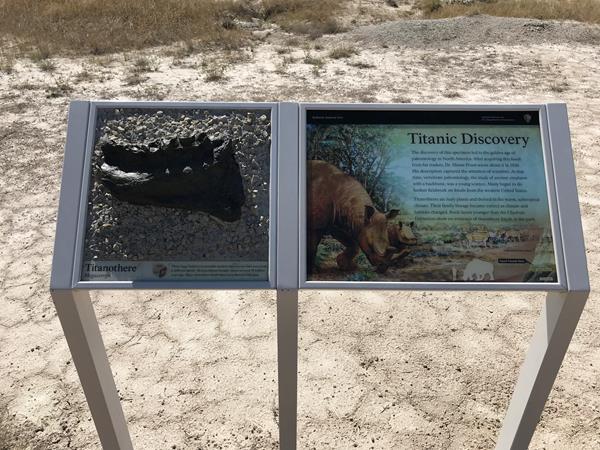
This is a stop along the Fossil Exhibit Trail of Badlands National Park. This exhibit features a replica bronze Titanothere fossil and information about how Titanotheres died in response to a changing climate.
Window Trailhead
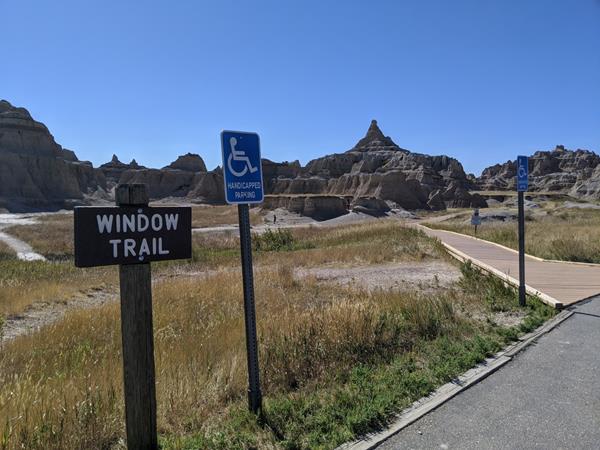
This short trail leads to a natural window in the Badlands Wall with a view of an intricately eroded canyon.